
Yemen Airstrikes Hit Hodeidah Telecom Facilities, Disrupting Internet Services
Airstrikes struck telecommunications facilities in Yemen’s Hodeidah on 23 November, reportedly damaging buildings and a communications tower. Phone and internet services were disrupted in several districts, while casualty figures remained disputed.

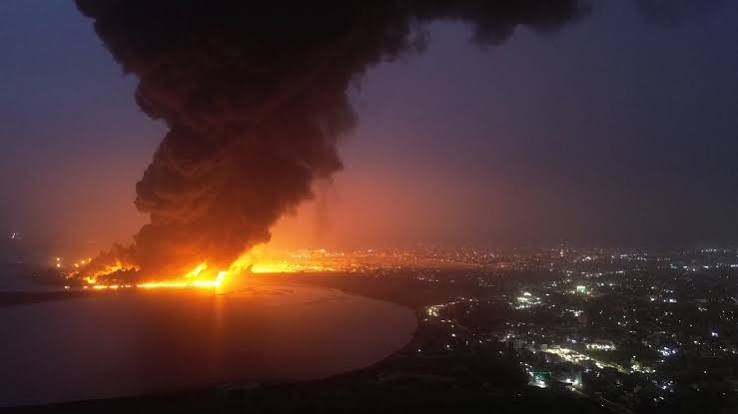
The reported damage has affected communications in several districts, while conflicting casualty figures underline the difficulty of verifying events in the conflict.
Airstrikes struck telecommunications facilities in Yemen’s Red Sea port city of Hodeidah on 23 November, according to reports from local authorities and international media.
The strikes reportedly damaged administrative buildings, staff accommodation, a mosque and a communications tower. Phone and internet services were disrupted in several districts, according to Yemen’s Houthi-run telecommunications ministry.
The reported death toll remains disputed. Houthi-run health officials initially reported eight deaths, while the telecommunications ministry later said 17 workers had been killed. Al Jazeera also reported the initial figure of eight deaths and 17 injuries. These figures have not been independently verified.
Telecommunications facilities reported destroyed
Yemen’s telecommunications ministry, which operates under the Houthi authorities in Sanaa, said several airstrikes hit facilities in Hodeidah early on Monday.
The ministry said the damaged site included administrative offices, accommodation for employees, a mosque and a telecommunications tower.
It also reported that the destruction interrupted communications and internet services in several districts.
The ministry said tens of thousands of residents had lost access to essential communication services. However, an independent assessment of the scale and duration of the disruption was not immediately available.
The reported damage raises concerns about the impact on residents who depend on mobile networks and internet access for everyday activities.
Conflicting casualty figures emerge
Reports from Yemen gave different casualty figures after the strikes.
Al Jazeera reported that Houthi-run health officials initially confirmed eight deaths and 17 injuries. Houthi-affiliated media later reported a higher death toll.
The telecommunications ministry subsequently said 17 workers had died and 11 had been injured. It described the figures as preliminary.
These accounts have not been independently verified. The final number of casualties therefore remains uncertain.
The reported figures also highlight the challenges of obtaining reliable information during active military operations.
Responsibility for the strikes remains disputed
Yemen’s Houthi authorities blamed Saudi Arabia for the airstrikes.
The telecommunications ministry described the operation as an attack by Saudi-led coalition aircraft. However, independent confirmation of responsibility was not available in the reports reviewed for this article.
The Saudi-led coalition had separately announced strikes on Hodeidah port facilities on 20 November. It said those facilities were being used to smuggle weapons and transport missiles.
That earlier operation was a separate reported incident. It should not be treated as independent confirmation of responsibility for the 23 November telecommunications strikes.
The distinction is important because the conflict involves competing military claims and limited independent access to affected areas.
Why Hodeidah matters to Yemen
Hodeidah is one of Yemen’s most important coastal cities. Its port serves as a major entry point for food, fuel and other essential imports.
The city also has strategic importance because of its location along the Red Sea.
Al Jazeera reported that more than 90 per cent of Yemen’s imported goods enter through Hodeidah port. Any prolonged disruption to the port or surrounding infrastructure could therefore create additional pressure on the country’s supply networks.
Telecommunications are also essential to port operations, transport coordination and humanitarian activities.
Damage to communications facilities could make it harder for residents, businesses and aid organisations to exchange information.
However, the reported disruption to telecom services does not by itself establish that port operations have stopped.
Escalating conflict increases pressure on civilians
The latest strikes come amid renewed fighting between Houthi forces and forces supporting Yemen’s internationally recognised government.
The conflict has also involved cross-border attacks and military operations around the Red Sea.
Reuters reported on 20 November that the Saudi-led coalition had struck facilities at Hodeidah port. The report also described Houthi threats against Saudi ports, shipping and airspace.
These developments have increased concerns about the security of transport and essential infrastructure across the region.
For civilians, the consequences extend beyond direct casualties. Damage to communications, transport and public services can make access to healthcare, food and other assistance more difficult.
A difficult recovery for local services
Restoring telecommunications services will depend on the extent of the physical damage and the availability of equipment and technical staff.
The reported destruction of buildings and network infrastructure could make repairs more complicated.
Residents may also face difficulties accessing reliable information while services remain disrupted.
Humanitarian organisations operating in Yemen depend on functioning communications to coordinate assistance and maintain contact with local communities.
The full impact of the reported strikes will become clearer as more information emerges.
What happens next?
The immediate priorities include confirming the casualty figures, assessing the damage and restoring essential communication services.
Independent verification will also be important in establishing what happened and who was responsible.
For Yemen, the latest incident adds to the pressure on already fragile civilian infrastructure.
As fighting continues, protecting essential services will remain a major challenge for communities across the country.
More from Naveen Mehta
Syria Arrests Two Suspected Daesh Members in Deir Ezzor
Syrian authorities have arrested two suspected Daesh members in Deir Ezzor over alleged targeted killings, including the killing…

Strait of Hormuz Tanker Attack Raises Fresh Alarm Over Gulf Shipping Security
A tanker attack near the Strait of Hormuz has raised fresh concerns about commercial shipping security. The incident…

Middle East Oil Disruptions Keep Global Supply Under Pressure
Oil exports from the Gulf have partly recovered, but shipping risks, damaged energy facilities and tight diesel supplies…