
Syria’s Landmine Crisis Deepens as Civilian Casualties Rise
Syria recorded 1,602 landmine and explosive-remnant casualties in 2025, accounting for 23.1% of the global total. The latest figures highlight the continuing danger facing civilians returning to communities affected by years of conflict.

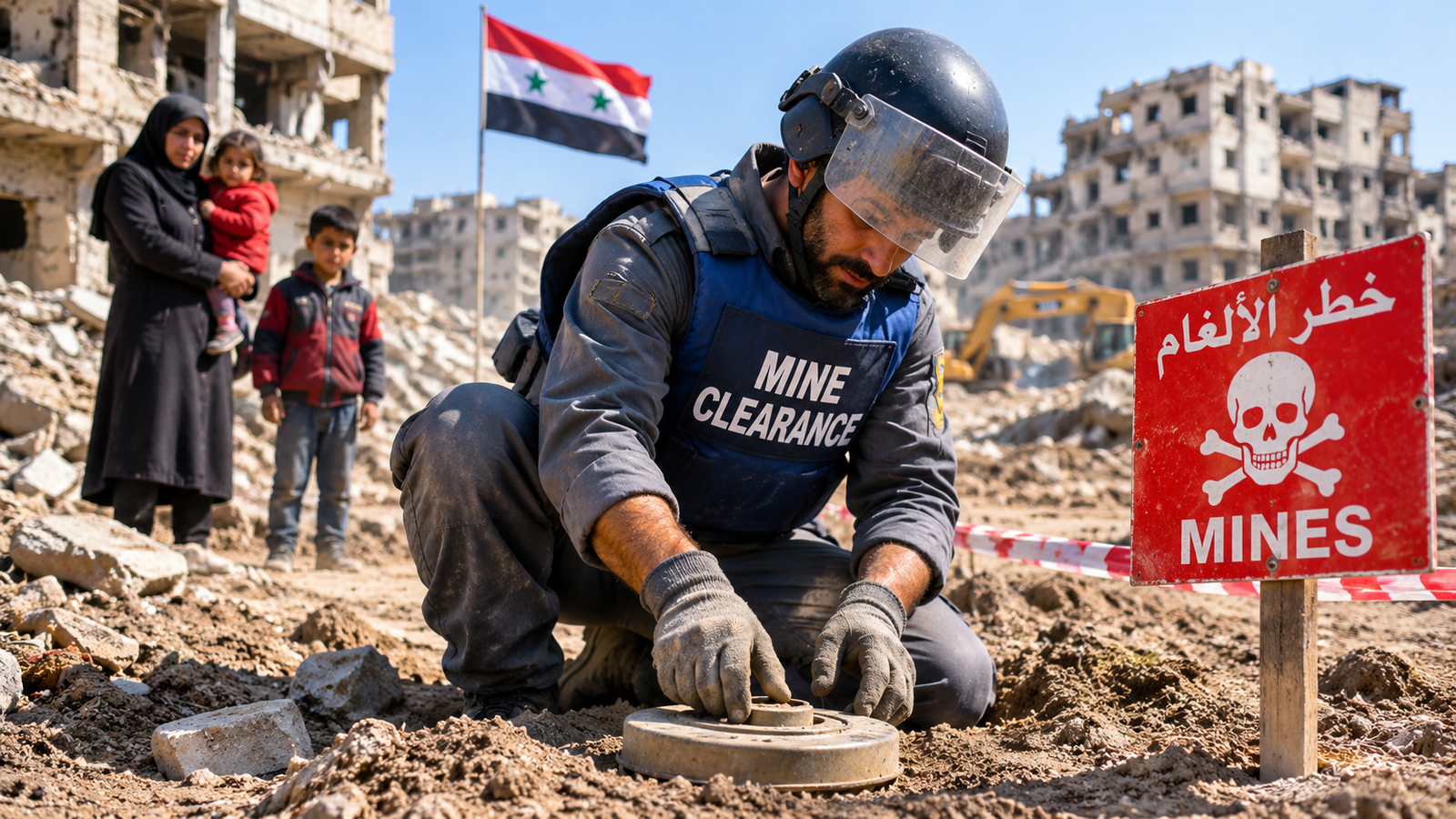
Syria faces a growing humanitarian challenge as civilians continue to encounter landmines and unexploded weapons left behind by years of conflict.
A new report has highlighted the scale of the danger. The Landmine Monitor 2026, released on 24 November, recorded 1,602 people killed or injured by landmines and explosive remnants in Syria during 2025.
That figure represents 23.1% of the 6,929 casualties recorded worldwide last year. Syria therefore accounted for almost one in every four global victims.
The report also found that Syria’s casualty figure increased by more than 50% compared with 2024. The findings underline how explosive weapons continue to threaten communities long after front-line fighting has moved.
Syria Records One of the World’s Highest Casualty Figures
The International Campaign to Ban Landmines (ICBL) publishes the annual Landmine Monitor report. Its 2026 edition recorded the highest global casualty total since 2020.
Myanmar reported the largest number of casualties, with 1,891 people killed or injured. Syria followed with 1,602.
Civilians remained the most affected group worldwide. They accounted for 84% of casualties whose status was known. Children represented half of civilian victims where their ages were recorded.
These figures show that the danger extends far beyond active battle zones. Abandoned weapons and hidden explosive devices can remain deadly for years.
Returning Families Face Hidden Dangers
The return of displaced Syrians has added urgency to the clearance effort.
Families returning to former homes may encounter explosive devices in residential areas, farmland and along roads. Some weapons remain buried or hidden beneath rubble.
This creates risks for people rebuilding their lives. Children face particular danger because they may mistake unfamiliar objects for toys or harmless pieces of metal.
The United Nations Children’s Fund has also warned about the scale of contamination in Syria. Its reporting has highlighted the number of children living in areas affected by explosive remnants.
The threat is not limited to direct injuries. Contaminated land can prevent families from farming, reaching schools or accessing healthcare.
Clearance Operations Continue Across the Country
Syrian authorities have reported expanding efforts to identify and remove explosive hazards.
According to figures cited by the Syrian Arab News Agency, engineering teams have detected and neutralised more than 315,000 mines and unexploded munitions.
Operations cover several parts of the country, including areas around Damascus, Aleppo, Idlib, Homs, Hama and Latakia.
However, the scale of the problem remains substantial. Detection and clearance require specialist equipment, trained personnel and reliable information about contaminated locations.
International cooperation is therefore important. Syria has been engaging with organisations and partners to strengthen technical capabilities and improve clearance planning.
Landmines Also Threaten Recovery and Reconstruction
The impact of explosive remnants reaches beyond public safety.
Contaminated farmland can prevent agricultural production and reduce household income. Damaged roads and unsafe routes can also restrict access to markets and essential services.
For communities returning after years of displacement, these dangers create another barrier to recovery.
Local authorities must identify hazardous areas and warn residents before reconstruction work begins. Humanitarian organisations also need safe access to affected communities.
Mine clearance is a long-term process. Removing visible devices does not necessarily mean that an entire area is safe.
A Wider International Challenge
The latest report also raises concerns about global progress against landmines.
The 2026 findings recorded 6,929 casualties worldwide in 2025, a 10% increase compared with the previous year.
The report also highlighted pressure on the 1997 Mine Ban Treaty. Several European countries have withdrawn from the agreement, while Ukraine announced a suspension of its implementation.
These developments have renewed concerns about international commitments to prevent the use of anti-personnel mines.
For Syria, the immediate priority remains protecting civilians and clearing contaminated areas. The country’s rising casualty figures show that the consequences of conflict continue even after people return home.
Sustained funding, public awareness and specialist clearance teams will be essential. Without these efforts, landmines and unexploded weapons will remain a serious obstacle to Syria’s recovery.
More from Naveen Mehta
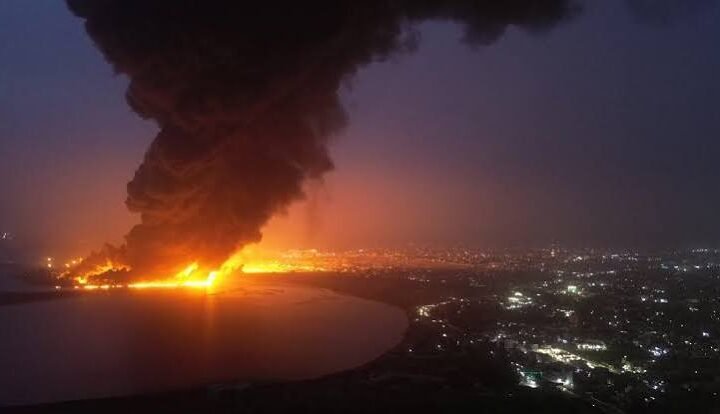
Yemen Airstrikes Hit Hodeidah Telecom Facilities, Disrupting Internet Services
Airstrikes struck telecommunications facilities in Yemen’s Hodeidah on 23 November, reportedly damaging buildings and a communications tower. Phone…
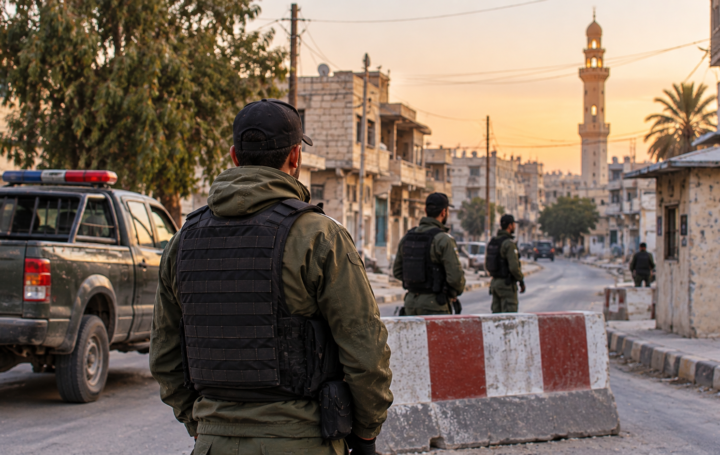
Syria Arrests Two Suspected Daesh Members in Deir Ezzor
Syrian authorities have arrested two suspected Daesh members in Deir Ezzor over alleged targeted killings, including the killing…

Strait of Hormuz Tanker Attack Raises Fresh Alarm Over Gulf Shipping Security
A tanker attack near the Strait of Hormuz has raised fresh concerns about commercial shipping security. The incident…