
DR Congo: Despite efforts towards a political solution, violence still rages in the east
Since January, the region has seen a new escalation of violence as the Rwanda-backed M23 armed group launched an offensive in North and South Kivu provinces. While tensions persist in the DRC, both frontlines and negotiation positions are…

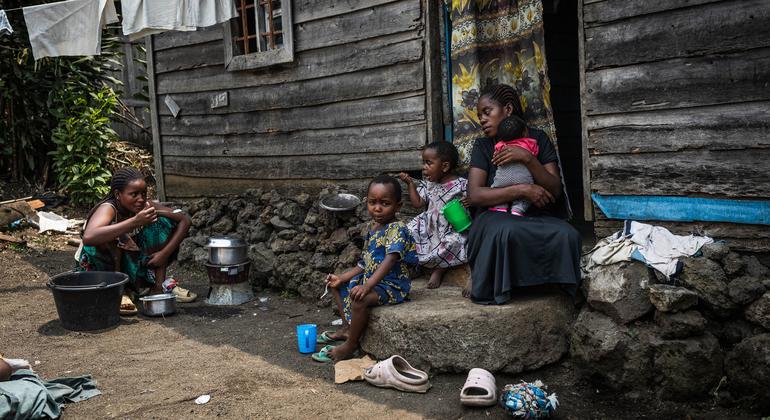
Since January, the region has seen a new escalation of violence as the Rwanda-backed M23 armed group launched an offensive in North and South Kivu provinces.
While tensions persist in the DRC, both frontlines and negotiation positions are shifting, paving the way for peace, the Security Council heard this Friday.
The path to lasting peace in the DRC requires “collective action,” said Bintou Keita, Head of the UN peacekeeping mission in the country, MONUSCO.
“Priority must be given to dialogue over division, and national cohesion must be actively preserved,” she said.
Yet, while diplomatic efforts focus on ways to address the current crisis, the situation in other regions within MONUSCO’s area of operations also demands urgent attention.
Humanitarian situation
With seven million people currently displaced across the country, 27.8 million people facing food insecurity and almost 1.4 million children in acute malnutrition, the humanitarian situation is dire.
The security crisis in the east of the country has worsened the humanitarian situation, yet due to funding cuts, MONUSCO does not have sufficient means to respond to it accordingly.
The suspension of funding from MONUSCO’s main donor, which covered 70 per cent of the humanitarian response in 2024, is “forcing humanitarian actors to focus solely on life-saving emergencies,” said Ms. Keita.
“We are at the end of July, and the humanitarian response plan is only 11 per cent funded,” she added.
Insecurity, sexual violence and abductions
Violence in the east of the country continues to disproportionately affect women, boys, and girls, notably as rape and other forms of sexual violence are still being systematically used as weapons of war.
Men and boys accused of links with opposing forces are at risk of abduction, while women and girls who have survived sexual violence face severely limited access to healthcare, as healthcare facilities are often targeted by attacks.
In 2025, over 290 schools were destroyed, with ongoing cycles of violence keeping 1.3 million children out of the education system in Ituri, in the east of the country.
More from Omar Rahmani
Syria Arrests Two Suspected Daesh Members in Deir Ezzor
Syrian authorities have arrested two suspected Daesh members in Deir Ezzor over alleged targeted killings, including the killing…

Strait of Hormuz Tanker Attack Raises Fresh Alarm Over Gulf Shipping Security
A tanker attack near the Strait of Hormuz has raised fresh concerns about commercial shipping security. The incident…

Middle East Oil Disruptions Keep Global Supply Under Pressure
Oil exports from the Gulf have partly recovered, but shipping risks, damaged energy facilities and tight diesel supplies…