
Abhishek Mishra Leaves DPIFF After Ten Years, Closing a Chapter in India’s Cinema-Festival Landscape
After a decade at DPIFF, Abhishek Mishra has announced his departure, bringing a long period of leadership continuity at the Indian film festival platform to an end.

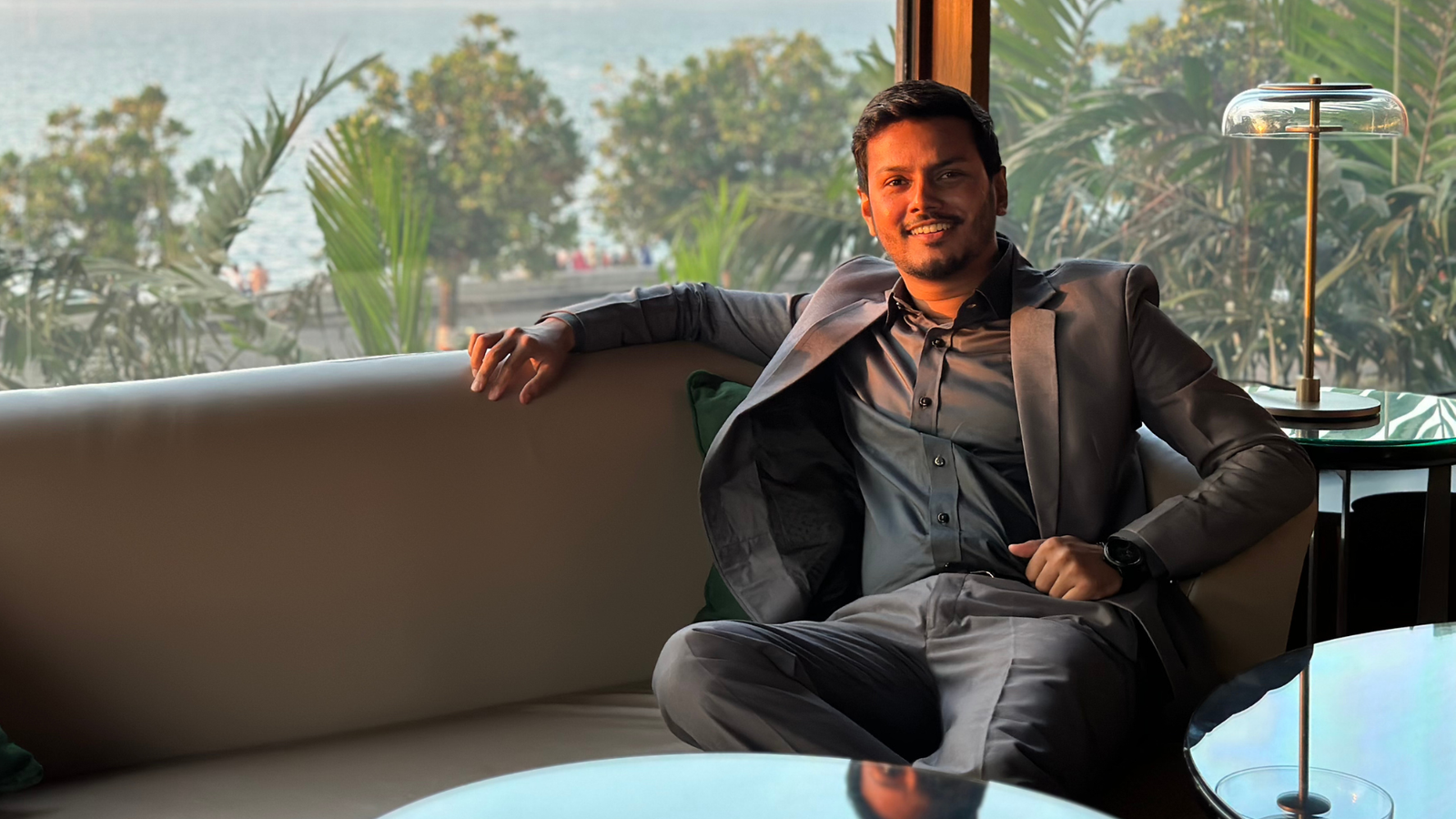
The former chief executive’s departure comes after a decade spent inside an institution shaped by Indian cinema, cultural recognition and the growing international visibility of the country’s creative industries.
Abhishek Mishra has announced that he is stepping down from the Dadasaheb Phalke International Film Festival after ten years, closing a long chapter in a career built around Indian cinema, cultural platforms and institutional visibility.
Mishra joined the DPIFF journey at 18 and later became its chief executive officer, according to the festival’s official materials. His departure statement, issued on September 3, focused on gratitude, personal growth and the relationships built across the decade.
A decade in a changing creative economy
The timing of Mishra’s tenure matters.
Over the past decade, Indian cinema has become more globally networked through streaming platforms, international co-productions, festival circuits, overseas audiences and diaspora markets.
That shift has also changed the role of film festivals.
They are no longer only ceremonial events. They can operate as cultural institutions, discovery platforms, tourism assets, industry meeting points and vehicles of national soft power.
India’s relationship with the Gulf makes that wider context especially relevant to Middle East audiences.
Indian films, performers and cultural events have long had strong visibility across the UAE and the wider region, supported by a large South Asian diaspora and increasingly active entertainment and tourism links.
For film and entertainment institutions, that creates a wider geography in which audiences, partnerships and creative networks increasingly extend beyond domestic borders.
Mishra’s decade at DPIFF unfolded during that broader transition.
What Mishra said
In his public statement, Mishra said the DPIFF chapter had given him “growth, perspective, meaningful relationships and experiences” that would remain part of his life.
He thanked those who had supported and worked with him during the period.
He also said he was leaving with gratitude and pride for what he had built and with excitement about future challenges.
No specific next role, company or project was announced.
That distinction is important.
The announcement confirms a departure, but it does not explain a succession plan for DPIFF or define Mishra’s next move.
In high-profile leadership transitions, those gaps can quickly become filled with speculation.
For now, there is little value in doing so.
The confirmed development is straightforward: a decade-long professional association has ended.
Why cultural institutions depend on leadership continuity – and transition
Creative institutions often become closely associated with the individuals who represent them publicly.
That can be useful during a growth phase, when a recognisable executive helps build relationships, visibility and credibility.
Over time, however, institutional strength depends on the ability to survive leadership change.
A festival must retain its network of filmmakers, sponsors, juries, audiences and partners even when senior personnel change.
For the departing executive, the transition presents a different question: whether the experience and relationships accumulated inside one institution can be translated into new work elsewhere.
This is particularly important in cultural sectors, where much of the value is relational rather than physical.
Trust, reputation and access can take years to build and can become as important as formal titles.
A leader who spends a decade inside a cultural institution accumulates more than operational experience.
There is institutional memory.
There is knowledge of how public-facing platforms maintain relevance.
There is an understanding of how creative communities, brands, partners and audiences interact.
There are also lessons about how reputation is built slowly and how easily it can be damaged.
Those capabilities can remain useful long after a particular title disappears.
The India-Middle East cultural corridor is getting denser
The Gulf’s investment in film, tourism and cultural events has expanded considerably, with Saudi Arabia, the UAE and other regional markets using creative industries as part of wider diversification and destination strategies.
At the same time, India remains one of the world’s largest and most diverse cinema-producing countries.
The result is a more connected cultural corridor.
Indian executives and institutions increasingly operate in an environment where regional festivals, international production, streaming distribution and cross-border audiences overlap.
The relationship is not limited to film releases.
It extends into production, events, tourism, celebrity culture, brand partnerships, creative services and audience development.
That is why leadership experience built inside an Indian cinema institution can increasingly have relevance beyond India itself.
The Gulf is becoming a larger market for cultural infrastructure, while Indian creative industries are becoming more internationally connected.
The two developments increasingly intersect.
Mishra’s decade at DPIFF belongs to that period of expansion.
His departure does not itself change the India-Gulf cultural relationship, but it comes at a moment when experienced cultural operators can find opportunities well beyond the boundaries of a single domestic institution.
Film festivals are becoming more institutional
The modern film festival sits at an unusual intersection.
It can be cultural and commercial.
Local and international.
Ceremonial and strategic.
For audiences, a festival may primarily mean screenings, awards and public appearances.
For the wider ecosystem, however, it can also mean access to talent, industry networking, distribution conversations, cultural diplomacy and destination visibility.
That broader function explains why leadership matters.
A successful cultural institution must maintain its public identity while also managing relationships behind the scenes.
It must appear consistent even as programmes, partners and audiences evolve.
That requires institutional continuity.
But continuity does not mean that the same people must remain indefinitely.
In fact, leadership transition is one of the clearest tests of whether an organisation has become genuinely institutional.
If a platform can maintain its relevance through personnel changes, its identity has become larger than the individuals associated with it.
For DPIFF, Mishra’s departure will eventually become part of that test.
An ending without a declared destination
Mishra concluded his statement with the line:
“Every ending is a new beginning. The journey continues.”
For now, the phrase should be read as a statement of intent rather than a description of a confirmed next step.
The next chapter remains undefined publicly.
What is clear is that a ten-year professional association has ended.
For DPIFF, that creates a leadership transition.
For Mishra, it creates the first major opportunity in a decade to define his professional identity outside the institution with which he has been most closely associated.
That distinction may prove significant.
Long institutional tenures can create visibility, authority and a strong professional network, but they can also make an executive’s identity inseparable from the platform itself.
Leaving creates the opportunity to discover which parts of that identity belonged to the institution and which have become portable capabilities.
What experience travels with a leader?
Titles do not travel indefinitely.
Experience does.
The relationships built over a decade can become professional capital.
So can judgement, institutional memory, credibility and an understanding of how cultural organisations operate.
That can matter particularly in the Middle East, where the creative economy is growing alongside broader investments in tourism, entertainment, sport and cultural infrastructure.
As those sectors mature, they require executives who understand more than publicity or event production.
They need people who can work across institutions, audiences, partnerships and reputation.
Whether Mishra chooses to apply his experience in that direction remains unknown.
The announcement does not provide enough information to say.
But his departure illustrates a wider feature of the modern creative economy: long institutional careers can create capabilities that extend well beyond the organisation in which they were developed.
A transition whose meaning will become clearer later
Leadership departures are often interpreted too quickly.
Within hours, attention turns to replacements, rumours and future roles.
But the significance of a ten-year tenure is unlikely to be understood on the day it ends.
For the institution, the question is whether continuity can be maintained.
For the departing executive, the question is whether accumulated experience can become the foundation of something new.
Those answers take time.
For now, Mishra’s departure closes a chapter that began when he was 18 and continued through a decade of change in Indian cinema and the wider creative economy.
The next chapter has not yet been announced.
In many ways, that is what makes the transition worth watching.
More from Culture & Society Desk
From Cannes to Jeddah: How Film Festivals Are Redrawing the Geography of World Cinema
Legacy festivals still define prestige, but new institutions across Asia, India and the Arab world are changing where…

Holiday Gift Guide 2025
Every jewel holds a wish, every gift becomes a cherished story. This Holiday Gift Guide reveals treasures that…
Azza Fahmy Jewellery capsule collection inspired by El Sett – a tribute to Umm Kulthum
This December marks a significant cultural moment with the release of El Sett, the highly anticipated film directed…