
ADIPEC 2026: Energy Leaders Cancel UAE Visits
Security concerns linked to rising Middle East tensions have reportedly led senior ExxonMobil and Chevron executives to cancel their planned visits to ADIPEC 2026 in Abu Dhabi. The development raises questions about regional stability…

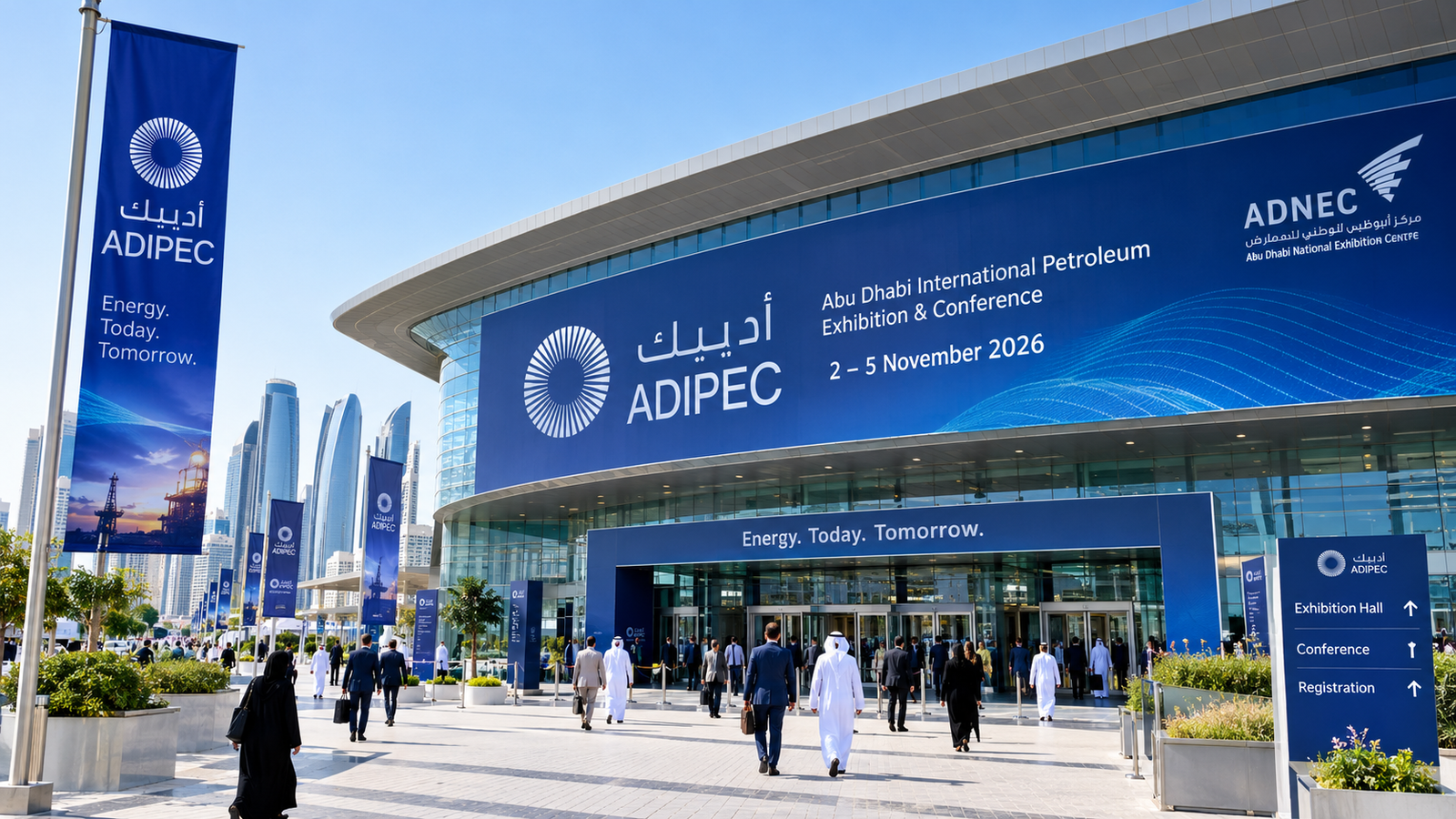
Security concerns linked to the wider Middle East conflict have affected the participation of senior executives at Abu Dhabi’s major energy conference. The reported changes have raised questions about how regional tensions could affect international business activity.
The UAE is preparing to host one of the world’s largest energy events. However, growing security concerns in the region have affected the travel plans of some senior international executives.
According to a Reuters report published on 29 October, ExxonMobil Chief Executive Darren Woods and Chevron upstream president Clay Neff have cancelled their planned visits to Abu Dhabi for the 2026 Abu Dhabi International Petroleum Exhibition and Conference (ADIPEC).
Reuters cited two sources familiar with the matter. The report linked the decisions to security concerns. Neither company has publicly commented on the reported cancellations.
The development comes at an important time for the Gulf energy sector. ADIPEC is scheduled to take place from 2 to 5 November at ADNEC Centre Abu Dhabi. The event will bring together companies and professionals from across the global energy industry.
Regional Tensions Create Challenges for a Major Energy Event
ADIPEC brings together energy producers, technology companies, investors and policymakers. The conference covers several areas, including oil and gas, energy security, industrial technology and investment.
According to the event’s official information, ADIPEC 2026 expects more than 239,000 visitors and over 2,250 exhibiting companies. Organisers also expect participants from more than 170 countries.
However, the reported cancellations show how regional tensions can affect international business decisions. Major events may continue as planned, but security concerns can still influence the travel plans of senior executives.
The concerns are linked to the possibility of further military escalation involving the United States and Iran. There are also concerns about possible retaliation across the wider region.
These developments have increased uncertainty for companies. Businesses must consider travel safety, security arrangements and possible operational risks before sending senior staff to the region.
Why the Presence of Senior Energy Executives Matters
Senior executives play an important role at international energy conferences. They meet government officials, discuss investment plans and explore new business partnerships.
These meetings can also help companies understand market developments and identify future opportunities.
When senior leaders change their travel plans, the industry takes notice. Other international companies may also review their own travel and security arrangements.
However, these cancellations do not automatically mean that companies are reducing their investments in the Gulf. A decision to avoid one trip because of security concerns does not necessarily signal a change in long-term business plans.
Still, international companies need stable and predictable conditions to maintain business activities and build partnerships.
ADIPEC 2026 Remains Scheduled in Abu Dhabi
Despite the reported cancellations, ADIPEC’s official event information continues to list the conference from 2 to 5 November in Abu Dhabi.
The organisers have said they are monitoring regional developments. They are also coordinating with relevant UAE authorities and operational partners.
Their published guidance advises international visitors to check official travel information. Visitors should also follow guidance from their governments and organisations.
It is important to understand that individual travel changes do not mean the conference has been cancelled. They also do not show that all international participants have changed their plans.
According to the Reuters report, other senior energy industry figures remain listed in the conference programme.
What the Developments Mean for Gulf Business Confidence
The latest developments follow disruptions to other major business events in the region. Reuters previously reported that organisers removed several senior energy executives from the World Petroleum Congress programme in Riyadh after security incidents affected Saudi Arabia.
These developments show how geopolitical tensions can affect more than security and diplomatic relations. They can also influence international conferences, corporate travel, business meetings and investment discussions.
Gulf economies want to strengthen their positions as important destinations for international business and investment. Maintaining the confidence of global companies remains an important part of that effort.
The UAE continues to prepare for ADIPEC 2026 while the wider region faces security uncertainty. The coming days will show whether the reported cancellations remain individual decisions or lead to wider changes in corporate participation.
For now, the energy industry will focus on the meetings, discussions and business opportunities in Abu Dhabi. In the longer term, the region will need to maintain international business confidence while managing ongoing geopolitical risks.
More from Naveen Mehta

TotalEnergies Syria Talks Put Offshore Energy Back on the Reconstruction Agenda
A potential offshore exploration contract signals renewed international interest, but security and governance will decide whether Syria can…

Gulf Oil Producers Rush to Monetise Reserves as the Energy Transition Clock Ticks
The strategic push to extract more value from oil before demand weakens is reshaping production choices, fiscal planning…

Desert Data Centres Put the Middle East’s AI Ambition under a Sustainability Test
As Gulf states compete for AI infrastructure, energy efficiency and cooling strategy are becoming strategic questions, not technical…