
Aliyev Skips the Ankara Summit as Turkey–Azerbaijan Tensions Grow
Azerbaijani President Ilham Aliyev skipped Turkey's Ankara summit despite a personal invitation from Erdoğan. His absence has raised questions about growing diplomatic tensions between the two traditional allies.

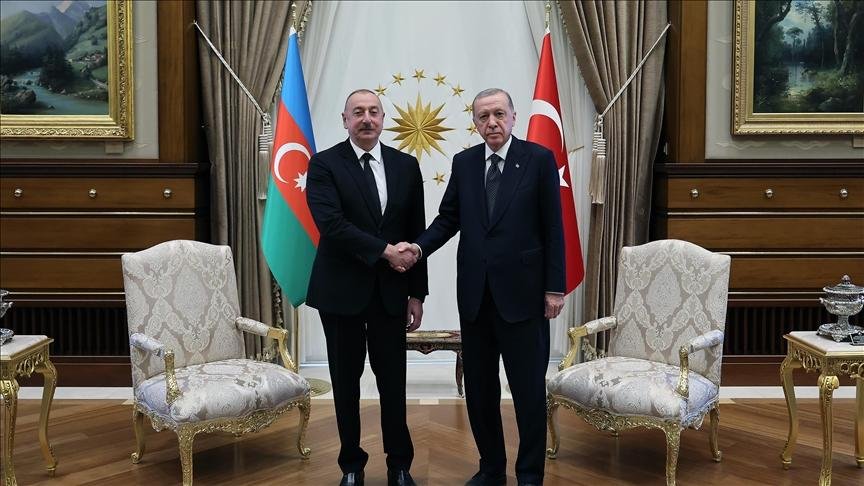
Azerbaijan’s President Ilham Aliyev did not attend the 13th Organisation of Turkic States summit in Ankara on 30 October, despite receiving a personal invitation from Turkish President Recep Tayyip Erdoğan. Azerbaijan was represented by Foreign Minister Jeyhun Bayramov.
The absence has attracted attention because Turkey and Azerbaijan have traditionally maintained close political, military and economic relations. Both countries often describe their partnership as “one nation, two states”.
Although Azerbaijani media attributed Aliyev’s absence to previously scheduled commitments, the decision came amid growing disagreements between Ankara and Baku. The developments have raised questions about the strength of their long-standing alliance.
A Summit Without Azerbaijan’s President
The summit brought together leaders and representatives from Turkic countries to discuss regional cooperation, economic partnerships and political relations.
Aliyev’s absence was particularly noticeable because Azerbaijan has played an important role in the organisation. Foreign Minister Jeyhun Bayramov attended the meeting on behalf of the country.
According to Azerbaijani media reports, Aliyev had prior commitments in Baku, including an event connected to the FIFA Under-15 World Cup and Festival.
However, the timing of his absence attracted attention because Turkish President Erdoğan had personally invited him to attend.
The summit therefore became an important test of relations between the two countries.
Disagreement Over School Headscarf Restrictions
One of the main sources of recent tension involves Azerbaijan’s school dress regulations.
In September 2026, Azerbaijan introduced new rules restricting clothing considered incompatible with prescribed school uniforms. The regulations have been criticised in Turkey, particularly by religious groups and members of Erdoğan’s ruling political movement.
The issue became more sensitive after Turkish political figures publicly criticised the restrictions.
Baku responded by warning against foreign interference in its domestic affairs. Azerbaijan also took action against Turkish nationals who had criticised the policy on social media.
According to Reuters, Azerbaijan declared 31 Turkish nationals persona non grata over their online criticism.
The disagreement has created an unusual situation between two countries that have traditionally supported each other on major regional issues.
Erdoğan Attempts to Ease Diplomatic Tensions
Turkish President Erdoğan reportedly made efforts to reduce tensions before the Ankara summit.
He personally invited Aliyev to attend the meeting. Erdoğan also dismissed presidential adviser Oktay Saral after the adviser criticised Azerbaijan’s school regulations.
The move was widely viewed as an attempt to address Baku’s concerns and prevent further deterioration in bilateral relations.
However, Aliyev’s decision not to attend the summit suggests that the disagreements have not been fully resolved.
During his opening speech, Erdoğan emphasised the importance of unity among Turkic countries.
He said that there was no place for division or disagreement within the Turkic world.
Although he did not directly mention the dispute with Azerbaijan, his remarks came at a time when relations between the two governments were under increased scrutiny.
Differences Over Israel and Regional Policy
The disagreement over school regulations is not the only issue affecting relations between Ankara and Baku.
Turkey and Azerbaijan also have different approaches to Israel.
Turkey has strongly criticised Israel’s military operations in Gaza and has taken a more confrontational diplomatic position towards the Israeli government.
Azerbaijan, meanwhile, maintains close relations with Israel, including important energy, defence and trade connections.
These differences have attracted attention as Turkey seeks to strengthen its political influence across the Middle East and the wider Turkic region.
Another sensitive issue is Turkey’s efforts to improve relations with Armenia.
Ankara has been exploring ways to normalise diplomatic and economic ties with Yerevan. However, its relationship with Azerbaijan remains closely connected to the peace process between Armenia and Azerbaijan.
Any deterioration in Turkey-Azerbaijan relations could complicate these regional diplomatic efforts.
Why the Partnership Matters to Both Countries
Turkey and Azerbaijan share important economic and strategic interests.
Their cooperation covers energy transportation, military partnerships, infrastructure development and regional trade.
Azerbaijan is an important energy supplier, while Turkey serves as a major transit route connecting Caspian energy resources with international markets.
Both countries also cooperate on transportation projects that connect the South Caucasus with Turkey and wider European markets.
Their partnership has played an important role in regional energy security and infrastructure development.
For Turkey, maintaining close relations with Azerbaijan supports its ambitions to become a major regional transport and energy hub.
For Azerbaijan, Turkey remains an important political, economic and military partner.
This makes the current disagreements significant beyond diplomatic appearances at international meetings.
Could the Disagreement Affect Regional Relations?
At this stage, there is no clear indication that either country plans to reduce its wider cooperation.
Their defence, energy and trade relationships remain important to both governments.
However, repeated diplomatic disagreements could affect political coordination and create uncertainty around future regional projects.
Turkey’s relationship with Azerbaijan also has implications for its position in the South Caucasus, where Russia, Iran and other international powers maintain important interests.
A prolonged disagreement could make regional negotiations more complicated, particularly those involving Armenia and cross-border transport links.
For now, both governments face the challenge of protecting their strategic partnership while managing differences over domestic and international policies.
A Partnership Facing a Diplomatic Test
Aliyev’s absence from the Ankara summit has become a visible sign of the current tensions between Turkey and Azerbaijan.
Although Baku cited prior commitments as the reason for his absence, the timing has encouraged questions about the state of the relationship.
The two countries continue to share major economic and security interests. However, recent disagreements show that even close allies can have different political priorities.
The coming weeks will be important in determining whether Ankara and Baku can resolve their differences through diplomatic engagement.
For both countries, maintaining their partnership will remain important to their economic interests, regional influence and long-term strategic plans.
More from Naveen Mehta
Israel Election Deadlock Gives Arab Parties a Potentially Decisive Role
Israel's 2026 election has left Benjamin Netanyahu's bloc short of a parliamentary majority. With Arab-led parties securing 19…
Strait of Hormuz Tanker Attack Raises Fresh Alarm Over Gulf Shipping Security
A tanker attack near the Strait of Hormuz has raised fresh concerns about commercial shipping security. The incident…

Middle East Oil Disruptions Keep Global Supply Under Pressure
Oil exports from the Gulf have partly recovered, but shipping risks, damaged energy facilities and tight diesel supplies…