
Gulf Markets Slip as Investors Price Fresh Geopolitical Risk
Major Gulf markets eased as investors weighed US-Iran tension, oil volatility and the durability of the region’s risk appetite.

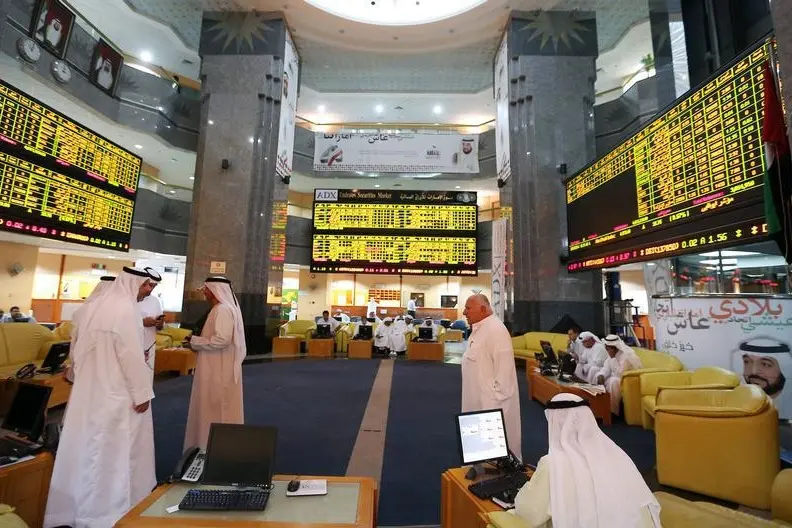
Gulf markets geopolitical risk moved back into focus after major regional bourses eased as investors reacted to renewed US-Iran tension. Reuters reported that major Gulf markets declined on Monday, with caution visible across Saudi Arabia, the UAE, Qatar and Egypt. The selling was not a collapse in confidence. It was a reminder that listed markets in the Gulf remain highly sensitive to oil, geopolitics and global interest-rate expectations.
What changed in regional equities
The latest weakness came after a period in which investors had begun to price a more stable operating environment. That assumption is now being tested. When tension rises around the Gulf, equity investors usually reassess three things: energy revenue, bank liquidity and foreign participation. Energy stocks respond to crude direction, banks respond to confidence and funding conditions, and real estate responds to whether international buyers and businesses keep expanding.
The Gulf’s listed markets are deeper and more sophisticated than they were a decade ago, but they are not insulated from regional shocks. Saudi Arabia’s Tadawul is tied to domestic transformation and oil-sector sentiment. Dubai and Abu Dhabi reflect finance, property, logistics and aviation confidence. Qatar has energy exposure and a banking system linked to regional capital flows. Egypt adds a separate layer of currency, inflation and external financing sensitivity.
Oil and rates remain the twin pressure points
Investors are not looking at geopolitics alone. A separate Reuters market report linked earlier regional weakness to weaker oil and expectations around US interest rates. That combination is important because most Gulf currencies are linked to the dollar, making US monetary policy directly relevant to local funding conditions. If US rates stay elevated, banks, developers and consumers face a tighter liquidity backdrop even when domestic fundamentals remain strong.
Oil-price moves add another layer. Higher oil can support fiscal confidence, but if it rises because of conflict risk, it may also signal danger to trade and investment. Lower oil can support inflation and demand elsewhere, but it can pressure Gulf fiscal assumptions if sustained. Equity markets must therefore price not only the level of oil, but the reason behind the move.
What it means for investors
The market response suggests investors are becoming more selective. Strong balance sheets, predictable earnings and companies with domestic demand exposure may be treated differently from more cyclical or sentiment-driven names. Banks remain central because they translate macro conditions into credit availability. Developers remain important because real estate has become a major channel for foreign capital and household wealth. Energy companies remain a barometer for fiscal expectations and regional risk.
Foreign investors will also watch liquidity. If uncertainty remains short-lived, the dip may be treated as tactical. If tensions continue, portfolio managers may reduce exposure until there is clearer evidence that shipping, oil flows and regional diplomacy are stabilising. Gulf markets have benefited from index inclusion, sovereign reform stories and strong domestic institutional capital, but external risk can still affect turnover and valuation multiples.
Signals to watch next
The next signals will come from oil prices, banking stocks, real estate leaders, sovereign-linked companies and trading volumes. If markets stabilise while oil flows continue, investors may read the latest decline as a controlled adjustment. If volatility spreads across sectors, it would suggest a broader repricing of Gulf risk. Company guidance will also matter, especially from banks, airlines, developers and logistics groups with exposure to regional trade.
The broader message is that Gulf markets are no longer simple oil proxies, but they still price regional security quickly. The investment case for the GCC remains tied to reform, demographics, infrastructure and capital depth. The discount applied during periods of tension depends on whether governments can keep the real economy operating normally while investors wait for diplomatic visibility.
Portfolio managers are also likely to separate domestic reform stories from short-term risk. A bank with strong deposit growth, a developer with credible presales or a logistics company with long-term contracts may still remain attractive even during regional tension. But valuation discipline becomes stricter. Investors tend to ask for a larger margin of safety when visibility falls, which can pressure even fundamentally strong companies until confidence returns.
This is where sovereign and institutional investors may play a stabilising role. Local long-term capital can reduce the speed of sell-offs and support liquidity during uncertainty. It cannot remove geopolitical risk, but it can prevent external caution from becoming a disorderly market signal. The balance between foreign flows and domestic institutions will therefore remain central to Gulf market resilience.
Sources and context
More from Technology & AI Desk

Saudi Arabia’s Vision 2030 Enters Its Value-Realisation Phase
Saudi Arabia is moving from rapid scale-building to value realisation. The decisive question is whether state-led investment can…

Indian Travellers Become a Key Test Market for Middle East Tourism Recovery
The UAE, Saudi Arabia and Oman are looking to India’s outbound travel base as conflict and uncertainty weigh…

Israel Floats Hormuz Bypass Pipeline as Gulf Energy Security Debate Deepens
A proposed Saudi–Eilat–Ashkelon route has revived questions about whether Gulf exports need new physical corridors beyond the Strait…