
Saudi Non-Oil Activity Gains Momentum as Domestic Demand Improves
Saudi Arabia’s non-oil private sector strengthened in May as domestic demand improved and supply chains stabilised, according to PMI data.

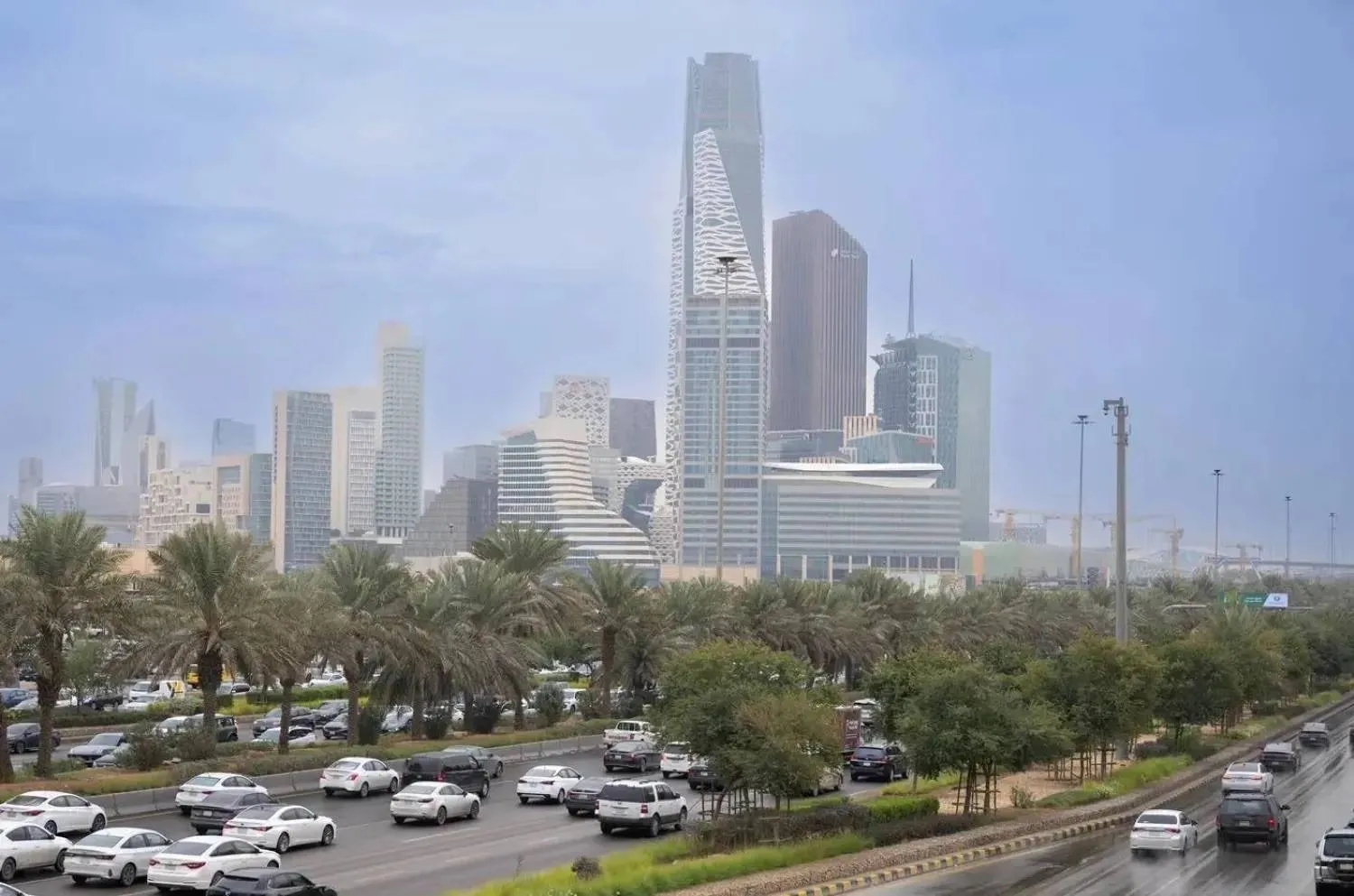
Saudi non-oil activity strengthened in May, offering a measured sign that domestic demand continues to support the kingdom’s private-sector transformation. Reuters reported that the Riyad Bank Saudi Arabia Purchasing Managers’ Index, compiled by S&P Global, rose to 52.8 in May from 51.5 in April. Readings above 50 indicate expansion. The improvement points to resilience, but not an uncomplicated boom.
What the PMI data shows
The S&P Global PMI release linked the improvement to stronger business activity, better domestic demand and stabilising supply chains. That combination matters because Saudi Arabia’s reform story depends heavily on the non-oil private sector becoming a more durable source of output, jobs and investment. A single PMI reading does not define the economy, but it provides a timely signal of business conditions.
The index also shows the unevenness of the current environment. Domestic conditions improved, but export demand remained under pressure in the Reuters account. That is consistent with a region where shipping disruption, higher logistics costs and geopolitical uncertainty can affect cross-border business even when local demand is stable. Saudi firms are therefore operating in two different economies at once: a domestically supported transformation economy and a more volatile external-trade environment.
Domestic demand as a reform anchor
Domestic demand is central to the Saudi outlook because Vision 2030 is not only an export strategy. It is a restructuring of consumption, tourism, entertainment, construction, logistics, finance, manufacturing and public-service delivery. The official Saudi Vision 2030 framework sets out a broad transformation agenda, and private-sector activity is one of the ways that agenda becomes visible in the real economy.
When domestic demand improves, companies can hire, restock, invest and compete for contracts. That supports banks, landlords, suppliers and service providers. It also helps reduce dependence on oil cycles by creating activity that is linked to local consumers and government-led projects. The risk is that too much activity remains dependent on public spending or sovereign-backed development. A more mature phase would show private demand deepening beyond government procurement.
Constraints beneath the headline improvement
The PMI reading should be read carefully. Expansion at 52.8 signals improvement, but it does not remove concerns about export weakness, margins, logistics costs or business confidence. Regional uncertainty can make firms cautious even when order books improve. Companies may delay hiring, reduce inventory risk or focus on local suppliers until external conditions stabilise. That behaviour protects balance sheets but can limit the pace of expansion.
Inflation and input costs also matter. If fuel, freight or imported materials become more expensive, companies may face pressure on margins. Some can pass costs to customers; others cannot. The health of the non-oil economy will therefore depend on whether demand is strong enough to support pricing power without weakening competitiveness. This is especially relevant for small and mid-sized firms that have less ability to absorb volatility.
What to watch next
The next Saudi PMI releases will show whether May was a rebound or the start of a more sustained improvement. Watch new orders, employment, export sales, supplier delivery times and business expectations. Also watch how sectors such as construction, hospitality, logistics and retail perform through the summer. A broad-based improvement would strengthen confidence in the non-oil story. A narrow improvement would suggest that domestic demand is still carrying more of the load than external trade.
The main conclusion is restrained but important. Saudi Arabia’s non-oil economy continues to show signs of operational resilience. The next test is depth. If private activity grows across sectors and becomes less dependent on government momentum, the kingdom’s transformation story becomes more credible. If uncertainty keeps export and investment confidence subdued, reform will still progress, but at a more uneven pace.
For investors, the most important question is whether the data points to recurring private demand or only a rebound from disruption. A sustainable Saudi non-oil cycle would show consistent new orders, healthier margins, employment growth and stronger supplier networks. It would also show more activity from companies that are not directly tied to state-backed projects. That would indicate a deeper private-sector base.
The PMI should therefore be read alongside bank lending, consumer spending, construction awards, tourism indicators and business-formation data. No single metric can carry the full transformation story. But taken together, these indicators can show whether Vision 2030 is producing a more balanced economy or whether momentum remains concentrated in a few large sectors.
Sources and context
More from Technology & AI Desk
Saudi Arabia’s Vision 2030 Enters Its Value-Realisation Phase
Saudi Arabia is moving from rapid scale-building to value realisation. The decisive question is whether state-led investment can…

Saudi Arabia’s GenAI Adoption Shows the Next Vision 2030 Challenge Is Skills
New research points to wide use of generative AI in Saudi Arabia, but also uneven understanding, privacy concerns…
Southern Lebanon Returns Begin, but the Risk of a Fragile Peace Remains
Families are reopening homes and businesses in the south, yet destruction, uncertainty and low-level hostilities continue to shape…