
Israel Election Deadlock Gives Arab Parties a Potentially Decisive Role
Israel's 2026 election has left Benjamin Netanyahu's bloc short of a parliamentary majority. With Arab-led parties securing 19 seats, their support could become crucial in the negotiations to form the country's next government.

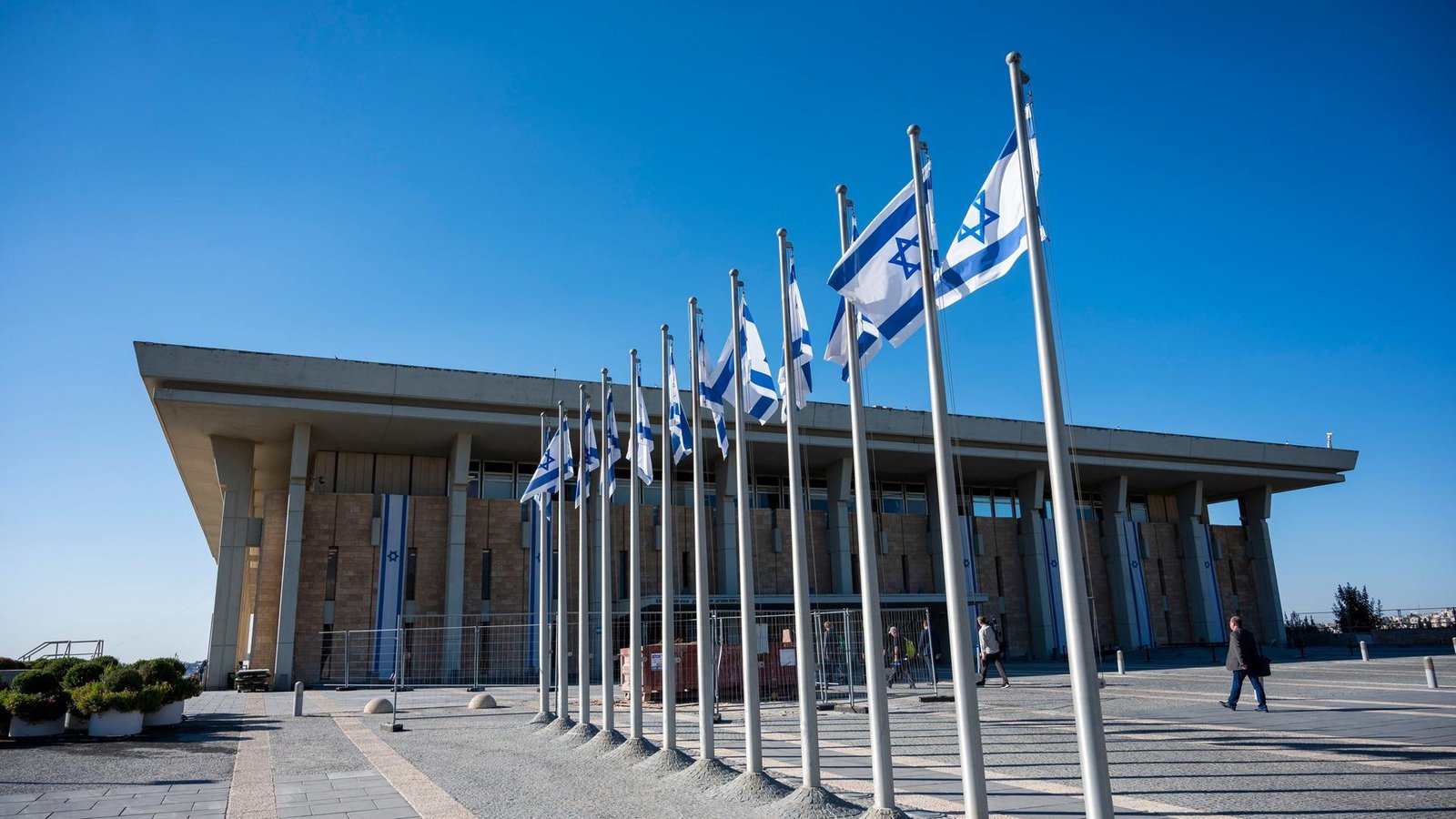
Israel’s 2026 general election has produced a political deadlock, leaving Prime Minister Benjamin Netanyahu’s bloc without a parliamentary majority. The results have also given Arab-led parties a potentially decisive role in negotiations to form the next government.
The completed vote count, released by Israel’s Central Elections Committee on Friday, 30 October, gives Netanyahu’s bloc 53 seats in the 120-member Knesset. The opposition bloc, led by Gadi Eisenkot, secured 48 seats. The two Arab-led parties won a combined 19 seats.
No major political bloc has secured the 61 seats required for a parliamentary majority. As a result, negotiations between political parties will determine who can form the next government.
The outcome represents a significant setback for Netanyahu’s governing alliance, which held 68 seats in the outgoing Knesset.
Netanyahu Remains the Leader of the Largest Party
Netanyahu’s Likud party emerged as the largest individual party in the election, winning 27 seats.
However, its allies did not secure enough support to maintain a parliamentary majority. The wider pro-Netanyahu bloc finished with 53 seats, eight short of the required number.
The opposition bloc, led by former military chief Gadi Eisenkot, secured 48 seats. His Yashar party won 21 seats, while Naftali Bennett’s B’Yachad party secured 12.
The remaining seats within the opposition grouping went to The Democrats and Yisrael Beytenu.
Despite finishing behind Netanyahu’s bloc, the opposition has an opportunity to negotiate with other parties and attempt to form a government.
However, disagreements over potential coalition partners could make that process difficult.
Arab-Led Parties Secure 19 Seats
One of the most significant outcomes of the election was the performance of Israel’s Arab-led parties.
The Joint List won 11 seats, while Ra’am secured eight. Together, they now hold 19 seats in the Knesset, their strongest combined result to date.
Their performance has placed them in an important position during the government formation process.
The opposition bloc has 48 seats. Support from both Arab-led parties could take its potential total beyond the 61-seat majority requirement.
However, the two Arab-led parties are separate political organisations. Their positions and demands may not be identical, and their combined seat total does not automatically translate into a common coalition agreement.
The election result nevertheless gives their representatives greater influence over discussions about the country’s political future.
Opposition Leaders Face a Difficult Choice
The opposition now faces a major challenge. It must decide whether to seek support from Arab-led parties or explore other political arrangements.
Some opposition leaders have already rejected cooperation with Arab parties.
Avigdor Lieberman, leader of Yisrael Beytenu, has ruled out joining a government supported by Arab-led parties. Other political figures have also expressed reservations about such an arrangement.
This position creates difficulties for Eisenkot and other opposition leaders who want to replace Netanyahu.
Without support from outside their existing bloc, the opposition’s 48 seats are not enough to form a majority government.
The parties must therefore consider whether they can reach an agreement despite their political differences.
Another possibility is a broader unity government, although disagreements between Netanyahu and opposition leaders could make such an arrangement difficult.
Record Voter Turnout Shapes the Political Outcome
The election also recorded strong voter participation.
According to the Central Elections Committee, turnout reached 77.9%, with 5,716,665 votes cast. This was the highest participation rate in decades.
The strong turnout among Arab voters contributed to the increased representation of Arab-led parties in parliament.
The results reflect the importance of political participation among different communities in Israel.
They also highlight the country’s fragmented political landscape, where several parties must often work together to form a government.
What Happens Next?
The next stage will involve consultations between political parties and President Isaac Herzog.
The Central Elections Committee is expected to submit the completed results to the president on 4 November, following its review of complaints and reported errors.
Herzog will then consult party representatives before asking a lawmaker to form the next government.
The Knesset is scheduled to convene on 10 November.
The politician selected to form a government will initially have 28 days to complete the process, with a possible 14-day extension.
If no candidate succeeds, Israel could face another election.
Until then, political negotiations are likely to remain the main focus of the country’s political establishment.
A Critical Moment for Israel’s Political Future
The 2026 election has changed the balance of power in Israel’s parliament. Netanyahu’s bloc remains the largest political grouping, but it has lost its majority.
At the same time, the opposition has gained an opportunity to challenge his leadership. However, disagreements over cooperation with Arab-led parties could prevent it from building a stable government.
The 19 seats held by the Joint List and Ra’am could therefore play an important role in the negotiations.
Whether they become part of a formal political agreement or provide support on specific parliamentary decisions remains uncertain.
For now, Israel faces weeks of negotiations that could determine the direction of its next government and the balance of power in the Knesset.
More from Naveen Mehta
Aliyev Skips the Ankara Summit as Turkey–Azerbaijan Tensions Grow
Azerbaijani President Ilham Aliyev skipped Turkey's Ankara summit despite a personal invitation from Erdoğan. His absence has raised…
Strait of Hormuz Tanker Attack Raises Fresh Alarm Over Gulf Shipping Security
A tanker attack near the Strait of Hormuz has raised fresh concerns about commercial shipping security. The incident…
Lebanon Charges 13 in Hezbollah Explosives Case as Tensions Rise
BEIRUT — Lebanon’s military court has charged 13 people over a truck carrying 780 kilograms of explosives. Security…