
Gulf Ship Attacks Put Seafarer Safety Back in Focus
Rising attacks on commercial ships in the Gulf have renewed concerns about seafarer safety, including the risks faced by Indian crew members.

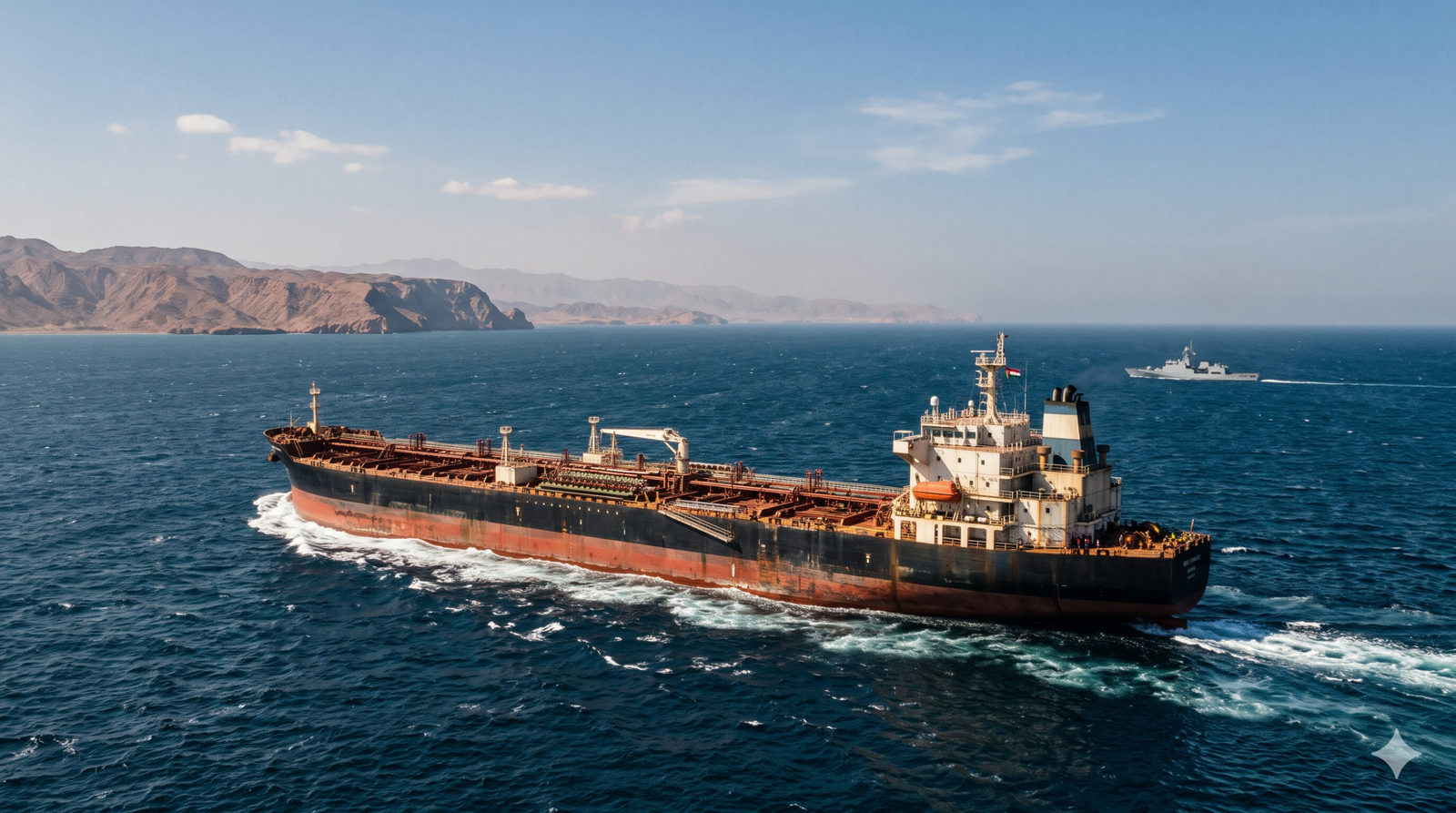
Commercial ship attacks in the Gulf are raising fresh concerns about the safety of seafarers. The Strait of Hormuz remains a high-risk route for crews carrying oil, gas and other goods.
The International Maritime Organization (IMO) recorded 122 confirmed incidents in the Strait of Hormuz and the wider Middle East region by 30 October 2026. The incidents include damage to commercial ships, fires and injuries to crew members.
The latest cases show that the danger has not passed.
Fresh attacks raise concern
On 30 October, a tanker near the Strait of Hormuz was struck by two limpet mines, according to Reuters. The attack caused a fire in the engine room and temporarily disabled the vessel.
The crew were safe. The fire was put out, and the ship continued towards its next port. Maritime security sources identified the vessel as the Panama-flagged Louise 1.
A separate attack also raised concern for Indian crew members. India’s shipping minister, Sarbananda Sonowal, said all 27 Indian seafarers aboard Louise 1 were safe, according to Maritime Gateway.
These incidents followed other attacks on commercial vessels in the region during October.
Indian seafarers face added risks
India has issued safety instructions for its seafarers working in the Gulf region.
In June, the Directorate General of Shipping issued Security Advisory Circular 31 of 2026. It asked ship owners, managers and crew to maintain high levels of security awareness.
The advisory told ship masters to follow navigation warnings and security instructions. It also advised shipping companies to restrict sending Indian seafarers into conflict areas until further notice.
The circular allows emergency crew changes with the consent of the seafarers involved.
The government also asked shipping companies to report incidents involving Indian crew members. It warned against sharing unverified videos and reports about attacks.
IMO calls for protection of crews
The IMO is monitoring the situation and sharing updates on attacks against commercial ships.
Its incident records include cases across the Strait of Hormuz, the Persian Gulf and the Gulf of Oman. The organisation uses information from governments, ship registries and verified sources to confirm incidents.
The IMO has also called on member states to stop attacks on merchant ships and seafarers.
The concern goes beyond damage to ships. Crew members can face fires, explosions, injuries and long periods of uncertainty at sea.
Shipping companies face difficult choices
Ship owners and operators must assess the risks before sending vessels through affected waters. They also need to follow official security advice and keep crews informed.
Some operators may change routes or delay voyages. Such decisions can raise fuel costs, insurance expenses and delivery times.
But the safety of crew members remains a central concern. Seafarers often have limited control over the routes their vessels take.
Clear communication between ship owners, masters, governments and maritime agencies is important during an emergency.
A wider challenge for Gulf trade
The Strait of Hormuz is one of the world’s most important shipping routes. Any threat to safe passage can affect energy exports and wider trade.
The latest incidents show why maritime safety needs continued international attention. Governments and shipping companies must work to protect crews and keep commercial routes safe.
For seafarers, the issue is immediate. They need clear safety guidance, reliable emergency support and the right to understand the risks before entering dangerous waters.
More from Naveen Mehta
Strait of Hormuz Tanker Attack Raises Fresh Alarm Over Gulf Shipping Security
A tanker attack near the Strait of Hormuz has raised fresh concerns about commercial shipping security. The incident…
Middle East Oil Disruptions Keep Global Supply Under Pressure
Oil exports from the Gulf have partly recovered, but shipping risks, damaged energy facilities and tight diesel supplies…

3 FIRs registered against self-proclaimed “pastor” Jimmy Joseph for illegal fund collection
Three FIRs have been registered against Navi Mumbai-based pastor Jimmy Joseph across Maharashtra following allegations concerning fundraising and…