
Gaza Patients Face Growing Barriers to Urgent Medical Treatment Abroad
Thousands of Gaza patients need specialist treatment abroad as shortages and limited medical evacuations put lives at risk.

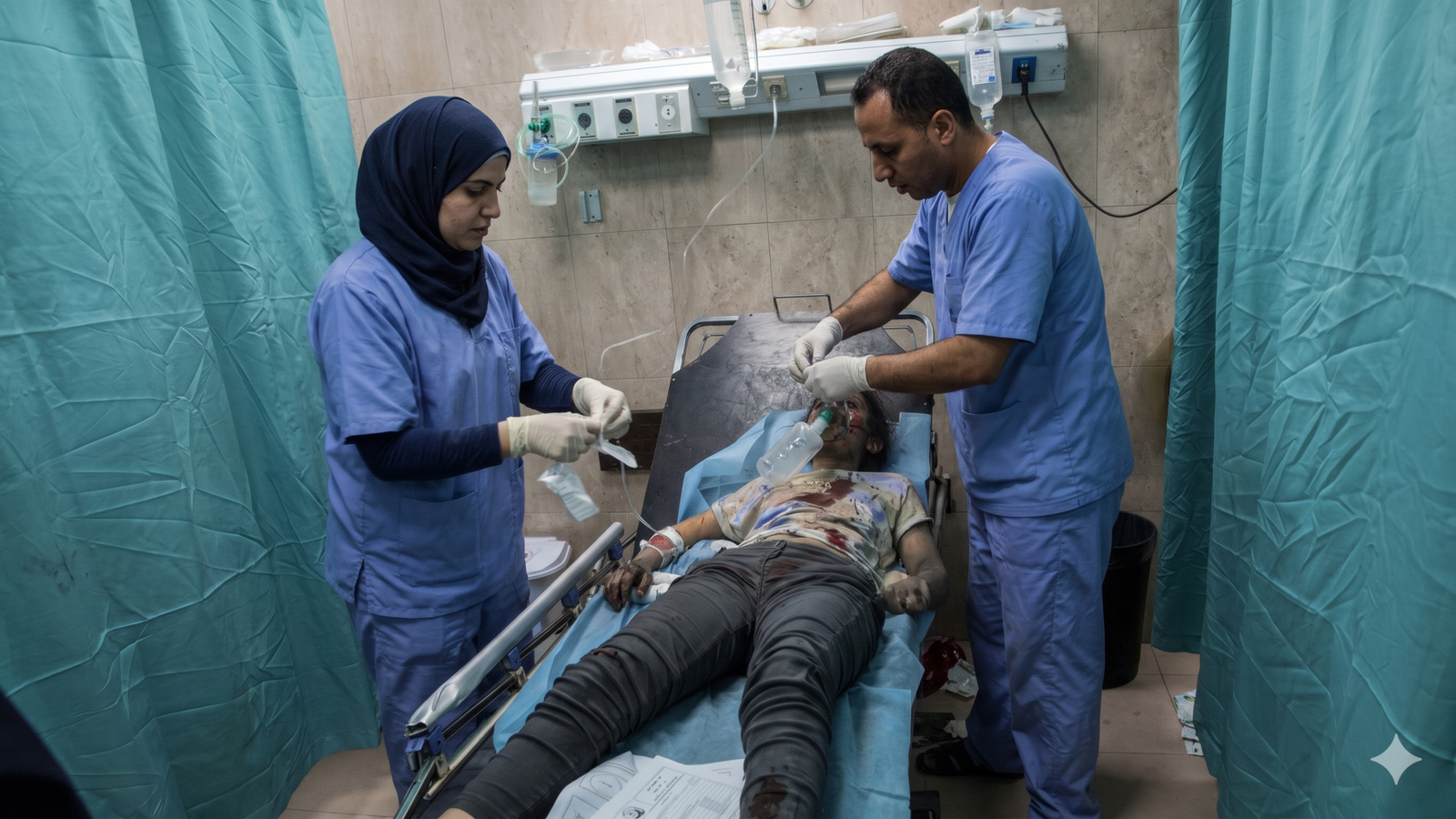
GAZA — Thousands of patients in Gaza still need urgent medical treatment outside the territory. However, shortages of medicines, damaged health facilities and limited evacuation options continue to put lives at risk.
A United Nations humanitarian report published on 22 October warned that Gaza’s health system continues to face serious challenges. Hospitals and medical teams struggle to provide care because essential supplies remain scarce.
Thousands still need medical evacuation
Many patients need specialist treatment that local hospitals cannot provide.
The World Health Organization has helped evacuate 3,423 patients from Gaza since the ceasefire agreement in October 2025, according to a UN humanitarian report published on 15 October.
More than 13,800 patients have received medical evacuation support since October 2023. However, thousands more still need urgent treatment outside Gaza.
Children, cancer patients and people with serious injuries remain among those who need specialist care.
Hospitals face shortages of essential supplies
Gaza’s hospitals continue to face shortages of medicines and medical equipment.
The UN report published on 22 October highlighted shortages of trauma supplies, surgical equipment and medicines for long-term illnesses.
Cancer patients also face serious difficulties. Hospitals lack enough diagnostic equipment and imaging services to support their treatment.
These shortages make it harder for doctors to diagnose illnesses and provide timely care.
Funding problems add to the crisis
Humanitarian agencies also face funding shortages.
The UN report warned that several aid programmes may struggle to continue their work. This could affect food assistance, shelter support and access to clean drinking water.
Medical services also depend on a steady supply of fuel, medicines and spare parts. Without these supplies, hospitals face greater pressure to maintain essential services.
Children and vulnerable patients need support
Children and people with serious medical conditions face particular risks.
Some patients need treatment that Gaza’s hospitals cannot provide. Others require regular medicines and specialist care.
Delays can make their conditions worse. Families also face uncertainty while waiting for medical assistance and permission to travel.
Humanitarian agencies continue to call for better access to medical care and support for patients who need treatment outside Gaza.
What needs to happen next?
Gaza needs reliable medical supplies, stronger hospital services and safe access for medical evacuations.
Aid agencies also need sufficient funding to continue their work.
The UN reports show that medical evacuations have helped thousands of patients. However, many people still need urgent care.
For these patients, timely access to treatment could make the difference between recovery and further suffering.
More from Naveen Mehta

Gulf Markets Slip as Hormuz Risk Returns to the Centre of Regional Pricing
Renewed tension around the Strait of Hormuz is again forcing investors to price security, energy and sovereign risk…

Saudi Arabia’s 2026 Budget Deficit Shows Vision 2030 Entering a Harder Spending Phase
The kingdom’s fiscal plan keeps transformation spending alive while signalling sharper discipline around priority sectors and project sequencing.

UAE–Saudi Payment Friction Raises Questions over Gulf Financial Integration
Reports of delayed or blocked transfers to UAE accounts underline how regulatory caution can become a strategic business…