
Ethiopia: UN supports response to potentially deadly virus outbreak
So far, eight possible cases have been reported in the South Ethiopia Region and laboratory testing is ongoing to determine the exact cause. Health workers are among those who have been infected, WHO Director-General…

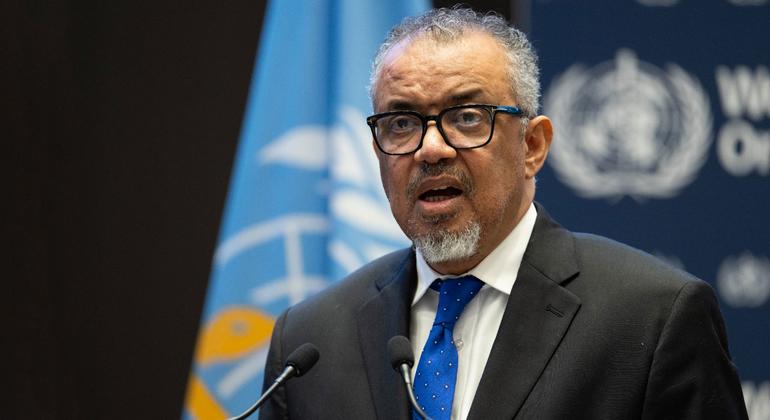
So far, eight possible cases have been reported in the South Ethiopia Region and laboratory testing is ongoing to determine the exact cause.
Health workers are among those who have been infected, WHO Director-General Tedros Adhanom Ghebreyesus said in a tweet.
What is viral haemorrhagic fever?
Viral haemorrhagic fevers are a group of epidemic-prone diseases that are caused by several distinct families of viruses and include Marburg and Ebola virus diseases, Crimean Congo haemorrhagic fever and Lassa fever.
They can be relatively mild to severely life-threatening and are characterized by sudden onset of muscle and joint pain, fever, bleeding and shock from loss of blood.
Bleeding, or haemorrhaging, from orifices and internal organs is a prominent symptom in severe cases.
Transmission can occur in several ways, depending on the disease, including through contact with symptomatic patients, slaughtering practices and direct contact with rodents or their droppings in the case of Lassa fever.
Medical professionals, supplies and funds
“WHO has deployed experts to the affected towns, along with medicines and other materials to support care for people in need, and personal protective equipment for health workers,” Tedros said.
The 11 technical officers will assist in several areas including disease surveillance, investigation and testing, as well as infection prevention and control.
The agency is providing other essential supplies, including a rapidly deployable isolation tent to boost clinical care and management capacity.
Tedros also released $300,000 from the WHO Contingency Fund for Emergencies to provide immediate support to the national authorities.
“WHO’s offices in Ethiopia and South Sudan are collaborating closely to prevent potential cross-border transmission,” he said, and the agency “is ready to scale up support, as and when needed.”
More from Omar Rahmani

From Mumbai to the Middle East: Sundeep Kochar and the Global Journey of Vedic Guidance
Sundeep Kochar’s international career reflects how Indian traditions travel through diaspora communities and acquire new meanings in modern,…

Gulf Markets Slip as Hormuz Risk Returns to the Centre of Regional Pricing
Renewed tension around the Strait of Hormuz is again forcing investors to price security, energy and sovereign risk…

Israel Floats Hormuz Bypass Pipeline as Gulf Energy Security Debate Deepens
A proposed Saudi–Eilat–Ashkelon route has revived questions about whether Gulf exports need new physical corridors beyond the Strait…