
Saudi Vision 2030 Moves Into Final Delivery Phase
Saudi Arabia’s transformation programme is moving from headline targets to institutional delivery, fiscal choices and private-sector depth.

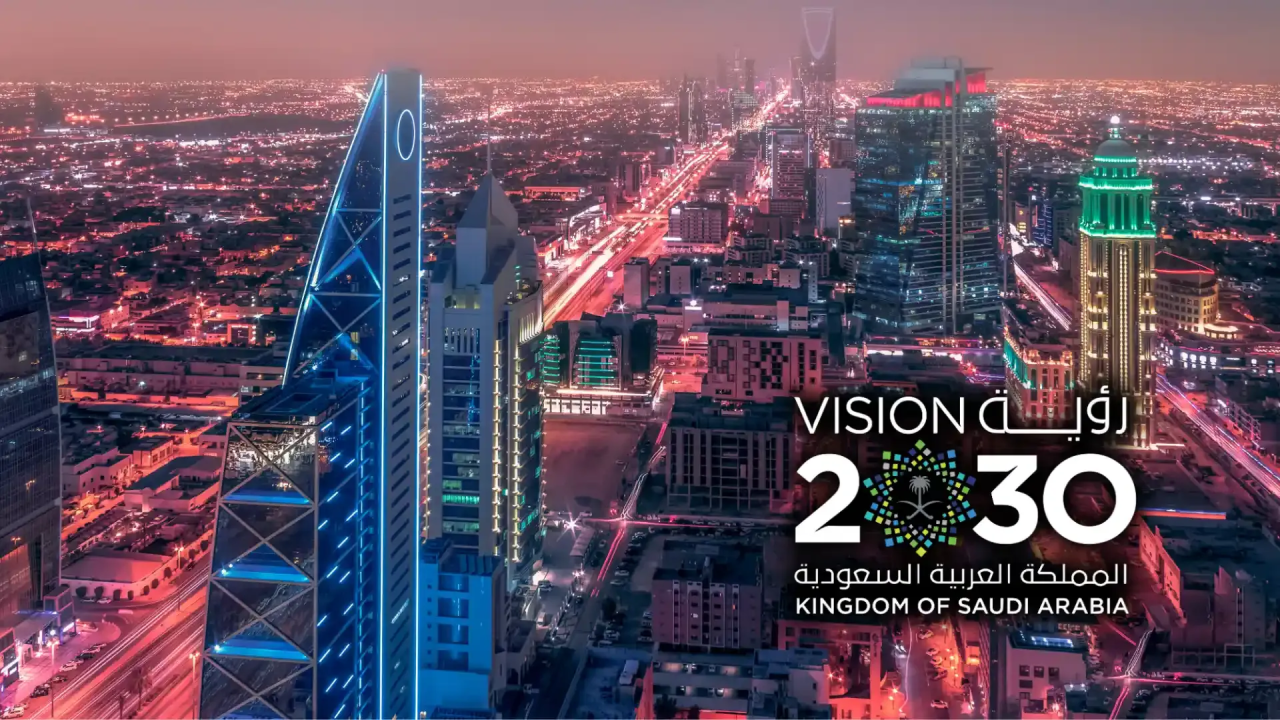
RIYADH — Saudi Arabia’s Vision 2030 is entering its most closely watched stage as the programme moves from building momentum to proving delivery across investment, jobs, tourism, industry and quality of life. The strategic question is no longer whether the kingdom has changed. It is whether the changes can become durable institutions before the end of the decade.
The delivery phase is visible in the Saudi Vision 2030 annual reports and the official Vision 2030 programme portal, where the kingdom’s reform agenda is presented as the central framework for economic and social transformation.
What has changed is the burden of proof. Early transformation was judged by ambition and visible change. The final phase will be judged by operating performance: whether new sectors can absorb capital, whether jobs match national skills, whether tourism demand is sustained and whether private investors can participate at scale.
For companies, the kingdom is no longer simply a high-potential market. It is becoming a market where strategy, procurement, localisation, regulation and headquarters decisions must be understood together. That makes Vision 2030 not only a national project but a commercial operating environment.
The delivery test
Vision 2030 matters because it is the most ambitious national transformation programme in the Arab world. Its success or weakness will shape regional competition for capital, talent and corporate presence. Saudi Arabia’s scale gives it weight, but scale also raises the delivery challenge.
The policy implications are broad. Tourism cannot succeed without transport, hotels, visas and service training. Advanced industry cannot succeed without supply chains, energy reliability and technical skills. Financial-market depth cannot emerge without governance, liquidity and institutional investors. Delivery therefore requires coordination across ministries and agencies.
The most important test is private-sector confidence. State capital can launch sectors, but private capital must decide whether the rules are stable enough to expand. If entrepreneurs, family businesses and international firms see predictable opportunities, the programme becomes deeper. If they wait for public spending, the transformation remains more dependent on the state.
The programme behind the shift
Saudi Arabia is trying to shift an economy long shaped by oil revenue, public employment and imported labour into one with a broader productive base. That requires cultural, institutional and financial change at the same time. The progress is real, but the complexity is also real.
The country’s large projects have global visibility, but the quieter reforms may matter more. Courts, procurement, municipal services, education, labour policy and capital-market regulation will decide how far the transformation reaches beyond signature developments.
Execution gap
The delivery phase will expose the difference between projects that create ecosystems and projects that depend on continued public support. The stronger programmes will produce suppliers, skills, demand and governance around them. The weaker ones may generate activity without deep economic transfer.
The risk is prioritisation. A large portfolio of reforms can dilute administrative attention if too many objectives compete at once. Fiscal discipline, sequencing and transparent performance measurement will be important, especially if oil-market or geopolitical conditions become less favourable.
Signals to track
Watch the next Vision 2030 reporting cycle for evidence of sector-level depth rather than headline progress. Employment quality, private investment, tourism yield and industrial localisation will be more useful than broad slogans.
Watch how the Public Investment Fund, ministries and private companies divide responsibility. The transformation will be stronger if public capital catalyses private enterprise rather than substitutes for it.
Watch the kingdom’s regional headquarters and investment rules. The way those policies are implemented will influence whether international companies treat Saudi Arabia as a core operating base or a compliance requirement.
For editors and analysts, this is why the subject should be followed as an institutional story rather than a single-sector update. The decisive evidence will come from implementation: whether public agencies coordinate, whether private firms commit capital, whether rules remain stable and whether citizens and companies experience measurable improvements.
For editors and analysts, this is why the subject should be followed as an institutional story rather than a single-sector update. The decisive evidence will come from implementation: whether public agencies coordinate, whether private firms commit capital, whether rules remain stable and whether citizens and companies experience measurable improvements.
For editors and analysts, this is why the subject should be followed as an institutional story rather than a single-sector update. The decisive evidence will come from implementation: whether public agencies coordinate, whether private firms commit capital, whether rules remain stable and whether citizens and companies experience measurable improvements.
Outlook
The editorial assessment is that Saudi Arabia has already altered the regional economic map. The remaining question is whether that change becomes institutional. The difference will be measured in governance, skills, productivity and private confidence.
The kingdom’s strength is that it can mobilise capital and authority quickly. Its challenge is making reform predictable enough for independent actors to invest without waiting for the state to lead every step.
Vision 2030 is now less a promise than a delivery test. Its success will depend on whether Saudi Arabia can turn national ambition into everyday economic capacity.
Sources and context
More from Government & Policy Desk
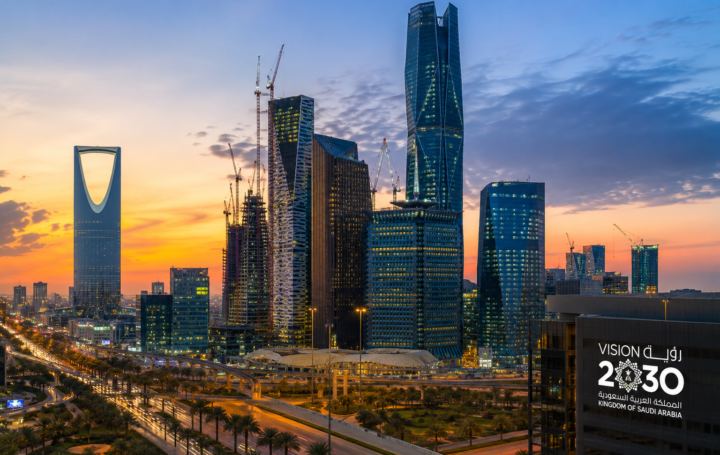
Saudi Arabia’s Vision 2030 Enters Its Value-Realisation Phase
Saudi Arabia is moving from rapid scale-building to value realisation. The decisive question is whether state-led investment can…

Saudi Arabia’s GenAI Adoption Shows the Next Vision 2030 Challenge Is Skills
New research points to wide use of generative AI in Saudi Arabia, but also uneven understanding, privacy concerns…
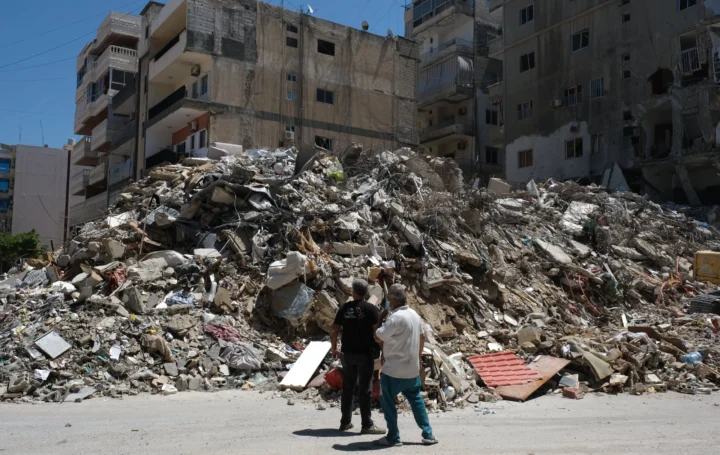
Southern Lebanon Returns Begin, but the Risk of a Fragile Peace Remains
Families are reopening homes and businesses in the south, yet destruction, uncertainty and low-level hostilities continue to shape…