
Saudi’s All-In-One Travel Package Visa Aims to Cut Friction from Tourism Growth
Combining flights, hotels and e-visa services into one transaction could help Riyadh turn interest in Saudi tourism into completed bookings.


- The Times of India reported that Saudi Arabia is introducing an all-in-one package visa model that brings flights, hotel accommodation and e-visa services into a single transaction.
- For airlines, hotels and tour operators, bundled travel can improve conversion and support international demand. For government, the challenge is ensuring that simplified booking is matched by smooth arrivals and reliable visitor services.
- Watch eligible markets, platform partners, pricing, India-focused campaigns and whether the product expands into events, religious tourism and premium destination packages.
The policy addresses a practical challenge in tourism development: reducing friction. Saudi Arabia is investing heavily in destinations and hospitality, but conversion depends on whether visitors find the journey easy, predictable and transparent. For airlines, hotels and tour operators, bundled travel can improve conversion and support international demand. For government, the challenge is ensuring that simplified booking is matched by smooth arrivals and reliable visitor services.
RIYADH — The Times of India reported that Saudi Arabia is introducing an all-in-one package visa model that brings flights, hotel accommodation and e-visa services into a single transaction. The development is important because it is not an isolated headline; it sits inside the wider regional system of policy, capital, infrastructure and public confidence. The story was reported by The Times of India.
The policy addresses a practical challenge in tourism development: reducing friction. Saudi Arabia is investing heavily in destinations and hospitality, but conversion depends on whether visitors find the journey easy, predictable and transparent. For The Nation Middle East, the central question is not only what happened, but what the event reveals about the operating model of the new Middle East. Governments, companies and investors are increasingly being judged by resilience, execution and the ability to maintain continuity when external pressure rises.
What changed
The Times of India reported that Saudi Arabia is introducing an all-in-one package visa model that brings flights, hotel accommodation and e-visa services into a single transaction. The immediate news point is therefore clear, but the consequences are broader. In the Middle East, developments in one sector rarely remain contained. A shipping issue can become a market issue; a governance dispute can become a reconstruction issue; a technology investment can become a question of energy, water and regulation.
The timing also matters. Regional states are trying to project stability while simultaneously managing conflict risk, fiscal discipline, investor expectations and social pressure. That balance is delicate. It requires institutions that can communicate clearly and absorb shocks without making every disruption look like a strategic reversal.
The wider context
The policy addresses a practical challenge in tourism development: reducing friction. Saudi Arabia is investing heavily in destinations and hospitality, but conversion depends on whether visitors find the journey easy, predictable and transparent. This is why the story deserves attention beyond the daily news cycle. The region is moving from announcement-led growth to execution-led credibility. Large strategies still matter, but investors and citizens are now watching delivery: whether projects open, whether services improve, whether contracts are honoured and whether risks are managed before they become crises.
For Gulf governments and their neighbours, the next decade will be defined by the quality of systems. Ports, airports, power grids, data centres, payment rails, tourism platforms, municipal services and regulatory agencies are becoming the real infrastructure of regional power. The most successful states will be those that make these systems reliable under pressure.
Policy and capital implications
For airlines, hotels and tour operators, bundled travel can improve conversion and support international demand. For government, the challenge is ensuring that simplified booking is matched by smooth arrivals and reliable visitor services. That implication is especially important for capital allocation. Regional investors do not need every situation to be risk-free; they need risks to be priced, disclosed and governed. The difference between uncertainty and instability is institutional response.
For companies, this means contingency planning is becoming part of regional strategy. Treasury teams, logistics managers, compliance officers, tourism operators, energy buyers and technology firms all need to understand how geopolitical and regulatory events can affect daily operations. The strongest firms will be those that treat resilience as a normal cost of business, not as an emergency reaction.
What to watch next
Watch eligible markets, platform partners, pricing, India-focused campaigns and whether the product expands into events, religious tourism and premium destination packages. These signals will matter more than broad political statements. The market is likely to pay closer attention to operational evidence: shipment continuity, policy circulars, contract announcements, budget allocations, service restoration, investor flows and regulatory clarity.
Another test will be coordination. Many regional challenges cannot be solved by a single ministry or one company. Energy security touches shipping and finance. Tourism confidence depends on aviation, visas and safety communication. AI infrastructure depends on power, water, talent and governance. Cross-institutional coordination will increasingly separate strong systems from fragile ones.
The Nation Middle East view
The story should be read as a marker of regional maturity. The Middle East is no longer only competing through scale, speed or spectacle. It is competing through credibility. The states and companies that can keep systems functioning during uncertainty will earn a premium in capital markets, diplomacy and public trust.
That is the larger lesson behind this news. Whether the subject is energy, tourism, AI, reconstruction, finance or diplomacy, the region’s next chapter will be judged by resilience. The Nation Middle East will continue to track the institutions, corridors, markets and decisions that show whether ambition is becoming durable power.
What Saudi planners should watch next
The Saudi policy test is whether the Kingdom can keep the momentum of Vision 2030 while managing a more complex fiscal and regional environment. Tourism, construction, logistics, entertainment, advanced industry and technology all require patient capital and predictable execution. At the same time, oil revenue, interest rates, private-sector absorption and global risk appetite remain central to the pace at which projects can move. The issue is not whether the transformation continues; it is how priorities are sequenced when public spending, private investment and consumer demand have to work more carefully together.
The Nation Middle East will watch project phasing, procurement signals, tourism conversion, labour-market capacity, private credit conditions and the way ministries communicate trade-offs. Saudi Arabia’s advantage is scale and state direction. Its challenge is coordination. The next stage of the transformation will reward sectors that can show productivity, export potential and clear commercial logic, not only national ambition. That makes execution quality as important as headline investment.
More from Saudi Transformation Desk
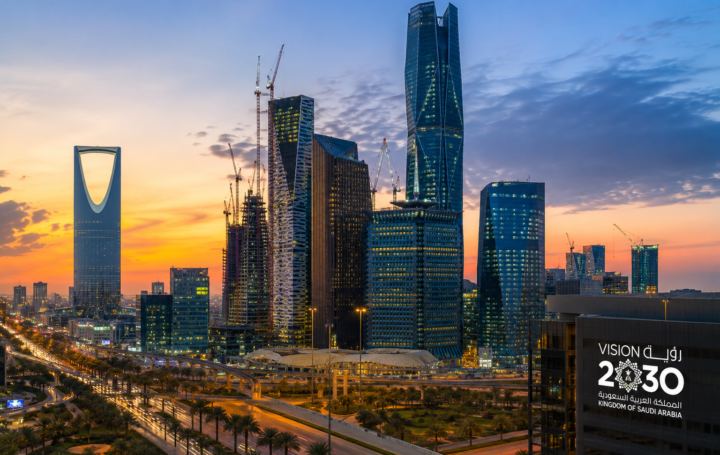
Saudi Arabia’s Vision 2030 Enters Its Value-Realisation Phase
Saudi Arabia is moving from rapid scale-building to value realisation. The decisive question is whether state-led investment can…

Saudi Arabia’s GenAI Adoption Shows the Next Vision 2030 Challenge Is Skills
New research points to wide use of generative AI in Saudi Arabia, but also uneven understanding, privacy concerns…
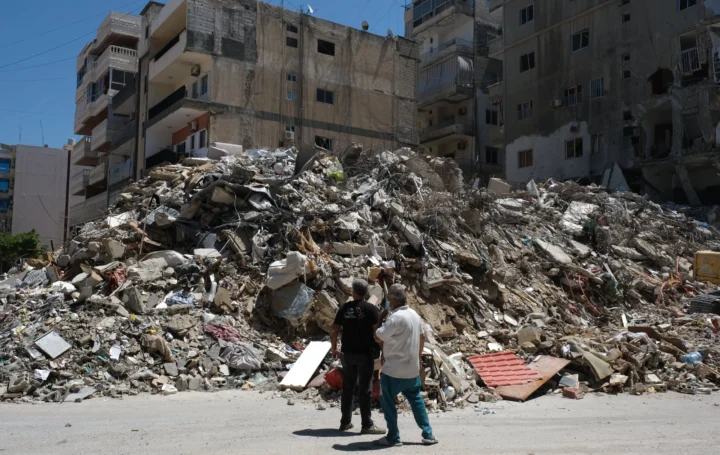
Southern Lebanon Returns Begin, but the Risk of a Fragile Peace Remains
Families are reopening homes and businesses in the south, yet destruction, uncertainty and low-level hostilities continue to shape…