
Saudi asset management industry passed SR1tn for first time
The Saudi Arabian asset management industry grew by more than 20 per cent in 2024, exceeding SR1tn ($267bn) assets under management (AUM) for the first time, according to Fitch Ratings. The industry is likely…

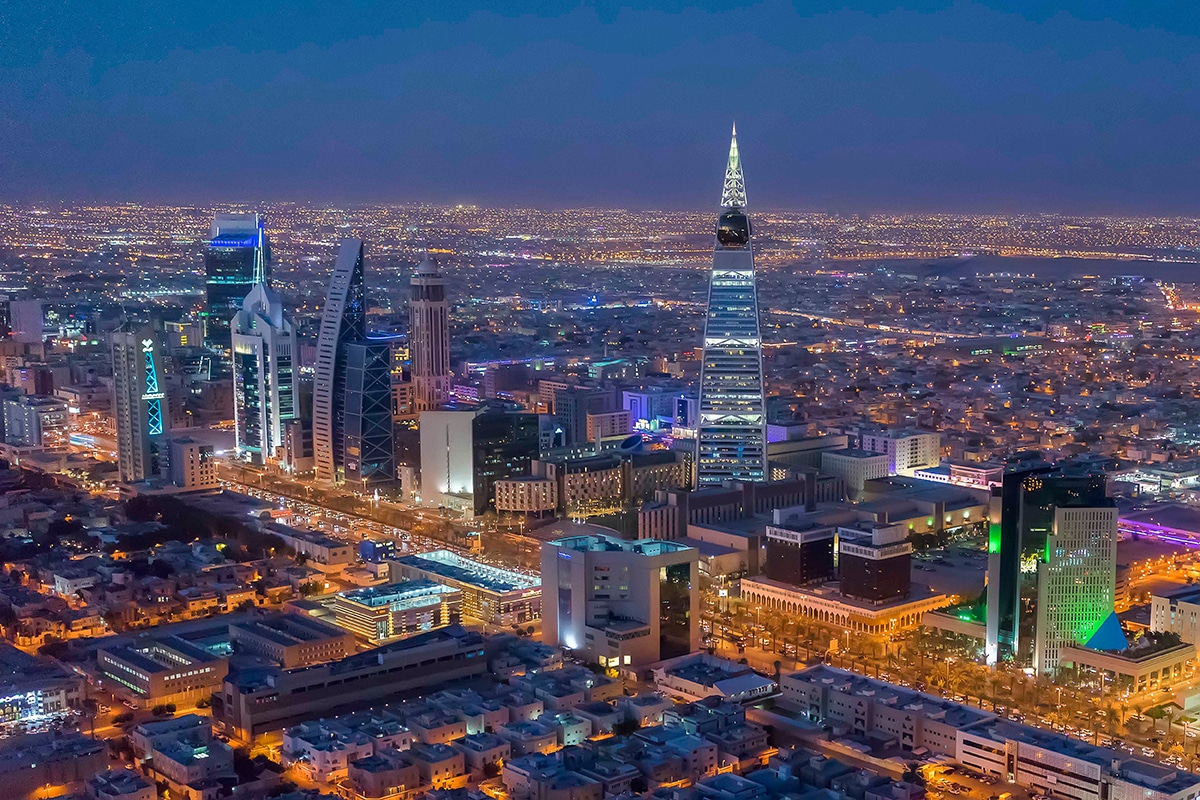
The Saudi Arabian asset management industry grew by more than 20 per cent in 2024, exceeding SR1tn ($267bn) assets under management (AUM) for the first time, according to Fitch Ratings.
The industry is likely to attract steady inflows in 2025–2026, with AUM set to surpass SR1.3tn ($350bn), due to the growing investor base, favourable demographics, ongoing reforms, deepening capital markets, and digital transformation moves.
However, the market is not immune from global volatilities, such as those caused by the US government’s tariff rises on April 2.
Saudi asset management sector
Oil price changes are among the key factors that could affect the industry.
Bashar Al Natoor, Global Head of Islamic Finance at Fitch, said: “Saudi Arabia’s asset management industry is the largest in the GCC, with AUM having crossed SR1tn, and further growth expected.
“Almost all mutual funds listed on the Saudi Exchange are sharia-compliant, indicating strong demand for Islamic products.”
Saudi bank-affiliated asset managers held nearly two thirds of industry revenue. However, international competition is rising. BlackRock, Goldman Sachs, Morgan Stanley, Citigroup, and Mizuho Bank received regulatory approval to set up their regional headquarters in Saudi Arabia in 2024.
The government is aiming for the industry AUM to reach 40 per cent of the GDP by 2030 (2024: 26 per cent).
About half of the industry’s AUM were in private funds, followed by discretionary portfolio management (DPM), and public funds.
The private funds’ AUM are split mainly between real estate and equities. About half of AUM under DPM are in local shares. Public funds’ AUM are split between money market funds, equities, REITs, and debt instruments.
The combined capitalisation of GCC listed equity markets crossed $4tn at end-2024, dominated by the Saudi Exchange.
Foreign investor ownership in Saudi stocks reached 10.8 per cent in 9M24 (2023: 12.8 per cent). About 63 per cent of the Saudi debt capital market is in sukuk, with almost all Fitch-rated Saudi sukuk being investment-grade.
More from Zayd Al Harbi
Saudi Arabia’s Vision 2030 Enters Its Value-Realisation Phase
Saudi Arabia is moving from rapid scale-building to value realisation. The decisive question is whether state-led investment can…

Indian Travellers Become a Key Test Market for Middle East Tourism Recovery
The UAE, Saudi Arabia and Oman are looking to India’s outbound travel base as conflict and uncertainty weigh…

Saudi Arabia’s 2026 Budget Deficit Shows Vision 2030 Entering a Harder Spending Phase
The kingdom’s fiscal plan keeps transformation spending alive while signalling sharper discipline around priority sectors and project sequencing.