
Saudi Renewable Plans Face Delivery and Grid Test
Saudi Arabia’s renewable-energy ambitions are entering a system test as generation targets meet grid integration, procurement and industrial policy.

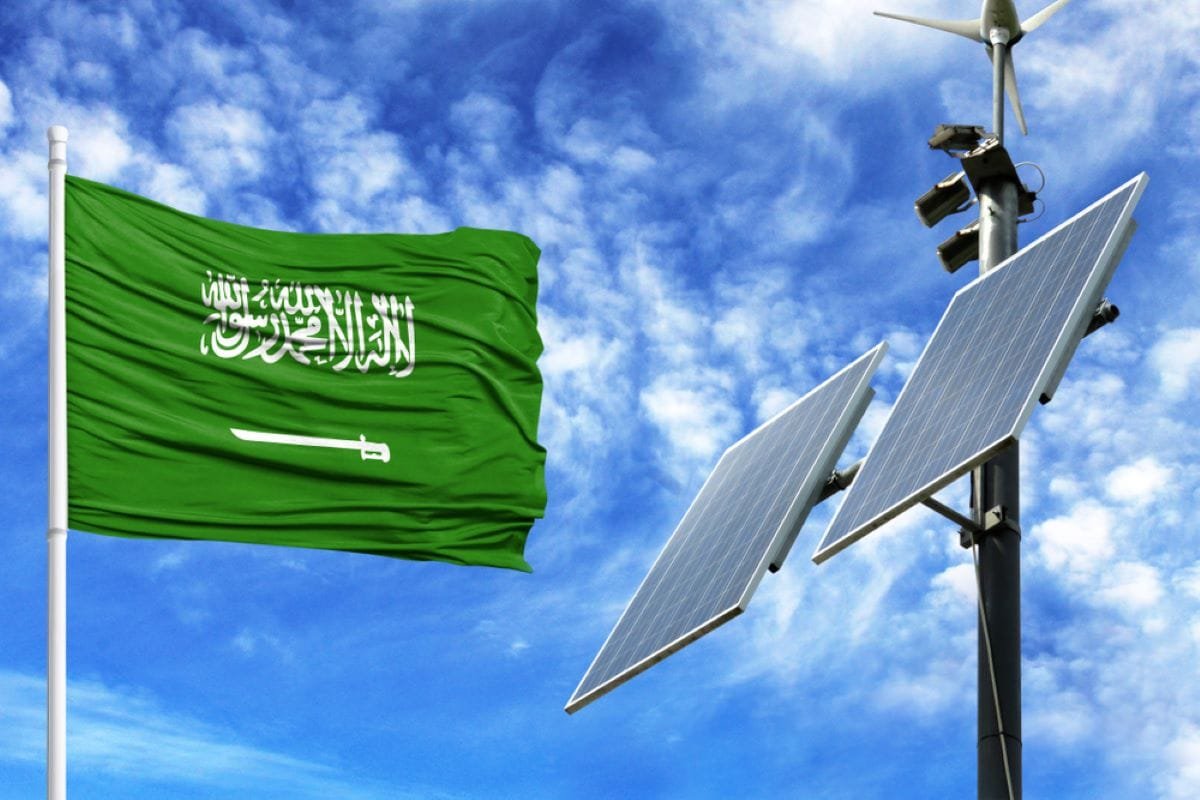
RIYADH — Saudi Arabia’s renewable-energy plans are moving into a more practical stage as the kingdom seeks to connect clean power, industrial development and long-term diversification. The policy direction is clear, but the delivery test lies in procurement, grid integration and the ability to build a domestic clean-energy ecosystem.
The clean-power agenda is outlined by the Saudi Ministry of Energy renewable-energy programme, the Saudi Green Initiative and official material on the National Renewable Energy Program.
What has changed is that renewable energy is no longer a peripheral climate file. It is connected to industrial competitiveness, water, mining, hydrogen, manufacturing and future export strategy. That makes it a core economic issue.
For utilities, developers and industrial companies, the key question is whether new renewable capacity can be integrated reliably and priced in a way that supports investment. Large projects matter, but system management matters more.
The grid question
Renewables matter because they can release hydrocarbons for higher-value uses, reduce emissions intensity and support new industries. They can also create supply-chain opportunities if domestic manufacturing and technical skills develop around them.
For policy makers, the significance is that ambition now has to be translated into operating systems. Investors and companies are less persuaded by broad national visions than by evidence that regulation, infrastructure, skills and procurement can work together. The closer a sector gets to real commercial deployment, the more these details matter.
For the private sector, the issue is predictability. Companies can adapt to demanding rules when those rules are clear and stable. They hesitate when priorities shift, agencies overlap or project pipelines are difficult to read. A mature regional market is built not only through capital spending but through trust in the way decisions are made.
Renewables inside the Saudi transition
The wider context is Saudi Arabia’s attempt to remain an energy power while broadening the meaning of energy. The kingdom wants to be influential in oil, gas, petrochemicals, renewables and future low-carbon sectors. That is a complex transition rather than a simple substitution.
Across the Gulf, national strategies are converging around similar themes: diversification, digital capability, energy transition, logistics, industrial depth and liveable cities. The similarities are important, but the differences in execution will decide which markets become durable platforms and which remain project-driven opportunities.
Implementation pressure
The implementation test is practical rather than rhetorical. It asks whether agencies can coordinate, whether rules are understood by companies, whether projects reach operation on time and whether the benefits extend beyond headline investment. In a region where the state remains a powerful economic actor, the quality of implementation is itself a competitive advantage.
The main risk is that rapid ambition creates pressure on capacity. Contractors, regulators, utilities, courts, schools, housing markets and talent pipelines can all become bottlenecks if growth is not sequenced carefully. The more strategic the sector, the more important it becomes to manage those bottlenecks before they affect investor confidence.
Signals to track
Watch project awards, grid upgrades and storage policy. The seriousness of the renewable push will be visible in connection capacity and procurement discipline, not only announced generation volumes.
Watch how private capital responds. Co-investment, supplier formation, new company registrations and long-term hiring plans will reveal more than announcements alone. A sector becomes credible when independent firms are willing to commit their own capital and people.
Watch the quality of public communication. Credible reporting should show milestones, delays, risks and measurable outcomes. Markets do not require perfection, but they do require enough transparency to distinguish serious delivery from optimistic messaging.
For editors and analysts, this is why the subject should be followed as an institutional story rather than a single-sector update. The decisive evidence will come from implementation: whether public agencies coordinate, whether private firms commit capital, whether rules remain stable and whether citizens and companies experience measurable improvements.
For editors and analysts, this is why the subject should be followed as an institutional story rather than a single-sector update. The decisive evidence will come from implementation: whether public agencies coordinate, whether private firms commit capital, whether rules remain stable and whether citizens and companies experience measurable improvements.
For editors and analysts, this is why the subject should be followed as an institutional story rather than a single-sector update. The decisive evidence will come from implementation: whether public agencies coordinate, whether private firms commit capital, whether rules remain stable and whether citizens and companies experience measurable improvements.
Outlook
The editorial assessment is that Saudi Arabia’s renewable story is important because it links energy transition with industrial strategy. Its success will depend on whether clean power becomes part of a wider productive system.
The region’s strongest opportunities will come where policy clarity, infrastructure and commercial demand meet. That is why the next phase of Middle East growth should be read through institutions as much as projects.
The story is not whether the ambition exists. The ambition is visible. The story is whether the systems around it are strong enough to make growth durable.
Sources and context
More from Government & Policy Desk
Saudi Arabia’s Vision 2030 Enters Its Value-Realisation Phase
Saudi Arabia is moving from rapid scale-building to value realisation. The decisive question is whether state-led investment can…

Saudi Arabia’s GenAI Adoption Shows the Next Vision 2030 Challenge Is Skills
New research points to wide use of generative AI in Saudi Arabia, but also uneven understanding, privacy concerns…

Gulf Markets Slip as Hormuz Risk Returns to the Centre of Regional Pricing
Renewed tension around the Strait of Hormuz is again forcing investors to price security, energy and sovereign risk…