
Abu Dhabi Islamic Bank mobilises $4.63bn in sustainable finance, leads region in green sukuk
Abu Dhabi Islamic Bank (ADIB) announced it has mobilised AED17bn ($4.63bn) in sustainable finance by the end of 2024, marking major progress toward its AED60bn ($16.3bn) commitment by 2030. The milestone was detailed in…

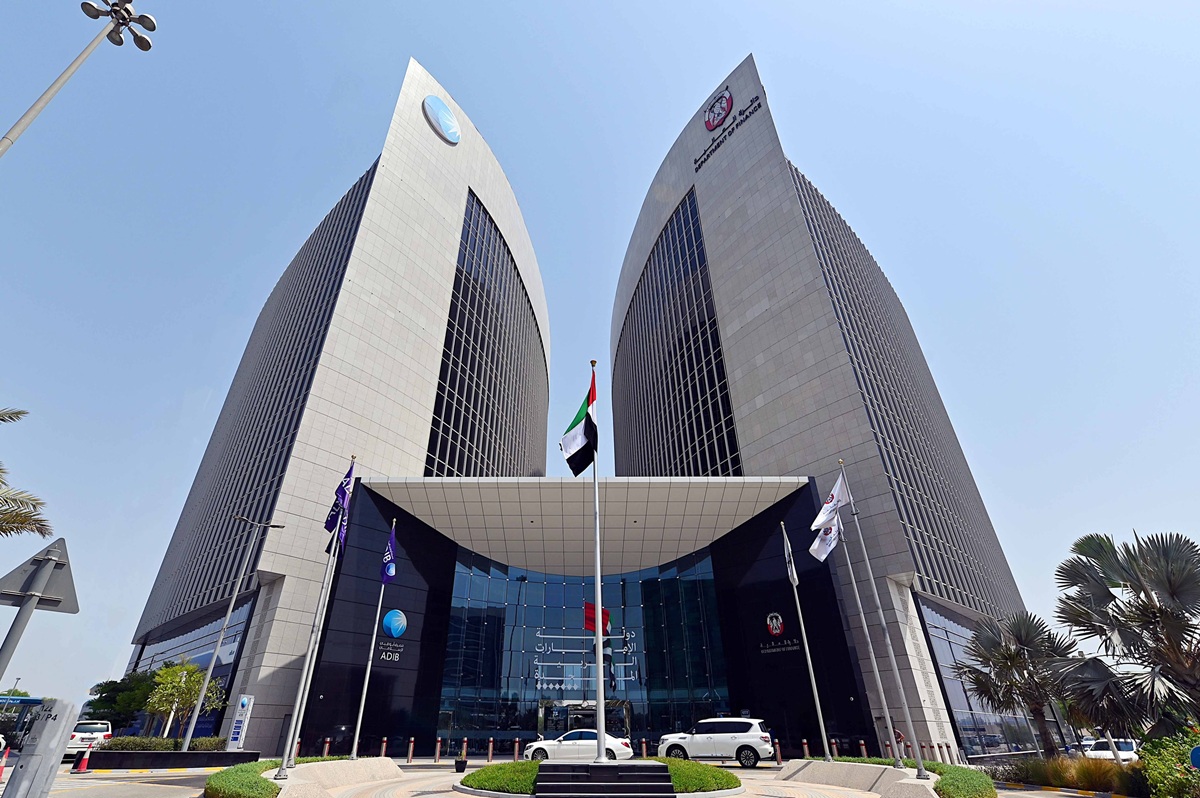
Abu Dhabi Islamic Bank (ADIB) announced it has mobilised AED17bn ($4.63bn) in sustainable finance by the end of 2024, marking major progress toward its AED60bn ($16.3bn) commitment by 2030.
The milestone was detailed in the bank’s newly released 2024 Sustainability Report, which outlines ADIB’s environmental, social, and governance (ESG) progress in line with the UAE Net Zero 2050 and UAE 2031 national strategies.
ADIB became the first Islamic bank in the region to publish sector-specific financed emissions targets, focusing on six high-emission sectors including real estate, utilities, and home finance.
Abu Dhabi Islamic Bank
These interim 2030 targets align with IEA Net Zero scenarios and the UAE’s national decarbonisation goals.
The report also showcases ADIB’s:
- Double materiality assessment aligned with European Sustainability Reporting Standards (ESRS)
- First Green Sukuk allocation and impact report for its $500m green issuance
- Allocation of 90 per cent of Green Sukuk proceeds toward renewable energy, energy efficiency, and sustainable water infrastructure, resulting in 607,000 tonnes of avoided annual emissions
Mohamed Abdelbary, Group Chief Executive Officer at Abu Dhabi Islamic Bank, said: “Putting sustainability at the heart of what we do is one of the three key pillars of our 2035 vision. We’re proud of the progress we’re making, and how we’re using our financing to contribute to the transition of our customers and the economy.
“Our latest sustainability disclosures reflect our steadfast commitment to ethical, inclusive, and climate-aligned banking. From leading the region in green sukuk to setting the benchmark on sectoral decarbonisation, we are taking decisive steps toward a low-carbon future”.
Abu Dhabi Islamic Bank reported an 87 per cent reduction in Scope 1 emissions and a 3.51 per cent drop in Scope 2 emissions compared to 2022.
These gains are attributed to continued investments in energy efficiency, electrification, and operational optimisation.
The bank’s double materiality approach ensures that it evaluates not only how sustainability affects business performance but also how ADIB’s operations impact people, planet, and economy—in line with global best practice for corporate sustainability disclosures.
Beyond environmental goals, ADIB strengthened its social impact commitments:
- 44 per cent Emiratisation rate achieved
- 72 per cent of UAE national hires in 2024 were women
- Women now represent 39 per cent of ADIB’s total workforce
More from Daniel Khoury
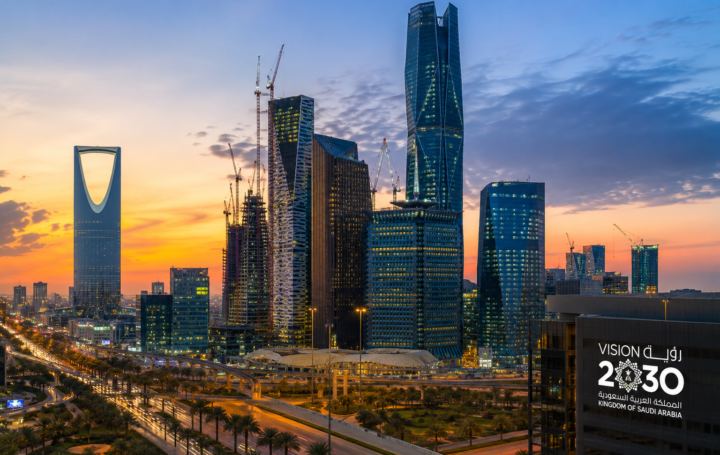
Saudi Arabia’s Vision 2030 Enters Its Value-Realisation Phase
Saudi Arabia is moving from rapid scale-building to value realisation. The decisive question is whether state-led investment can…

Indian Travellers Become a Key Test Market for Middle East Tourism Recovery
The UAE, Saudi Arabia and Oman are looking to India’s outbound travel base as conflict and uncertainty weigh…

Saudi’s All-In-One Travel Package Visa Aims to Cut Friction from Tourism Growth
Combining flights, hotels and e-visa services into one transaction could help Riyadh turn interest in Saudi tourism into…