
OPEC+ Expected to Hold Oil Output Targets Steady Ahead of Sunday Meeting
OPEC+ members are expected to hold oil output targets steady at their 1 November meeting as Middle East supply risks continue.

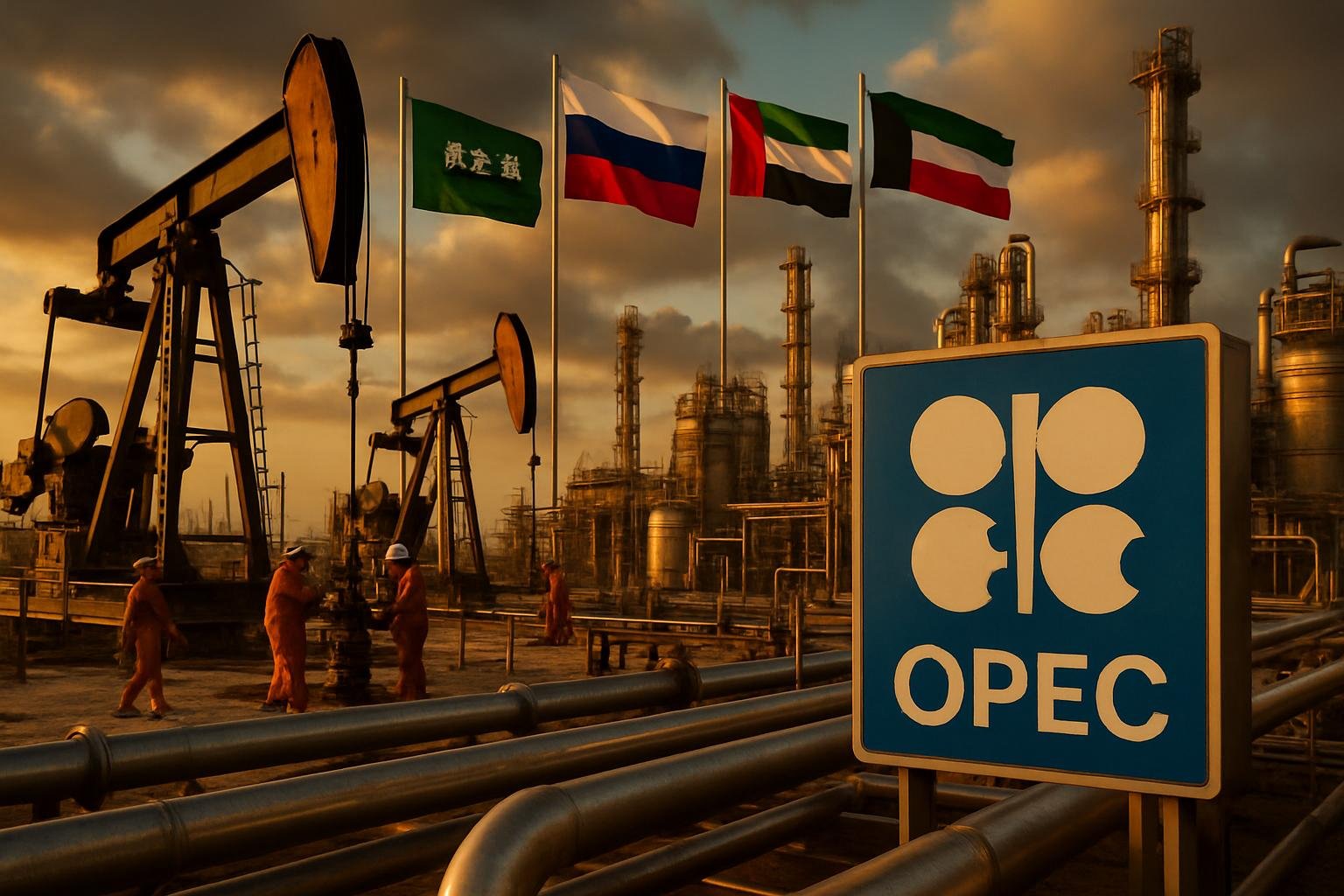
RIYADH — OPEC+ is expected to keep its oil production targets unchanged when seven key members meet online on Sunday, 1 November.
The meeting comes as conflict in the Middle East continues to disrupt energy exports. It also comes amid concerns about oil supply, shipping routes and rising energy costs.
Reuters reported on 27 October that three sources expected the group to maintain its December production targets. However, the members have not announced a final decision.
Seven countries to join the meeting
The meeting will bring together seven major OPEC+ producers:
- Saudi Arabia
- Russia
- Iraq
- Kuwait
- Kazakhstan
- Algeria
- Oman
These countries have held monthly meetings to review oil market conditions and production plans.
At their previous meeting on 4 October, they agreed to keep November production targets at September levels. They also promised to continue working towards full compliance with their production commitments.
OPEC confirmed that the next meeting would take place on 1 November.
Middle East conflict affects oil supply
The conflict in the Middle East remains a major concern for energy markets.
Disruptions to Gulf exports have limited the amount of oil that some producers can deliver. As a result, several countries continue to pump below their agreed production targets.
The Strait of Hormuz also remains a key concern for the global energy industry. The waterway connects the Gulf with international shipping routes and carries large volumes of oil and gas.
Any further disruption could affect supply, shipping costs and oil prices.
Why OPEC+ may avoid changing production
OPEC+ has focused on market stability during the recent crisis.
The group completed the gradual rollback of 1.65 million barrels per day in voluntary production cuts in September. However, another round of cuts, covering around 2 million barrels per day for most members, remains in place until the end of 2026.
Producers must also review their future production capacity. This review will help the group set production levels for 2027.
Therefore, members may prefer to keep current targets steady while they assess market conditions and future supply.
Oil markets watch Sunday’s decision
Oil traders and energy companies will closely follow the meeting.
A decision to maintain production targets would signal that OPEC+ wants to avoid major policy changes for now. However, actual oil supply will also depend on export routes, production capacity and security conditions.
Any change in the group’s position could influence market expectations.
For oil-importing countries, including those in Asia, higher prices could increase fuel and transport costs. Consumers and businesses may also face pressure if energy prices remain high.
What happens next?
The seven countries are expected to review market conditions and discuss their production plans.
The meeting’s final statement will confirm whether members maintain their current targets or announce a change.
For now, the market expects a steady approach. However, the continuing Middle East conflict makes the outlook uncertain.
More from Naveen Mehta

UAE Stock Markets Fall as Weak Earnings and Regional Tensions Worry Investors
UAE stock markets ended lower on Friday as weak corporate earnings and rising regional tensions affected investor confidence.…
Middle East Oil Disruptions Keep Global Supply Under Pressure
Oil exports from the Gulf have partly recovered, but shipping risks, damaged energy facilities and tight diesel supplies…

Saudi Arabia’s Vision 2030 Enters Its Value-Realisation Phase
Saudi Arabia is moving from rapid scale-building to value realisation. The decisive question is whether state-led investment can…