
Gulf Wealth Funds Take Wider Role in National Strategy
Sovereign investors across the Gulf are increasingly operating as instruments of industrial policy, global capital influence and domestic transformation.


ABU DHABI — Gulf sovereign wealth funds are becoming strategic infrastructure for the region, shaping domestic industries, global portfolios and national competitiveness at the same time. Their role is no longer limited to saving hydrocarbon revenue for future generations. They are now central actors in industrial policy, technology investment and economic diplomacy.
The scale of the shift is reflected in Global SWF sovereign wealth rankings, PwC analysis of Middle East sovereign wealth funds and market reporting on major Gulf investment platforms.
What has changed is the breadth of their mandate. A Gulf sovereign investor may now be expected to back clean energy, artificial intelligence, logistics, real estate, healthcare, advanced manufacturing and global technology platforms, while preserving financial discipline. This dual role creates influence, but also sharper scrutiny.
For markets, the issue is whether these funds can crowd in private capital and build ecosystems rather than simply dominate them. Their choices can define sectors, attract partners and set valuation signals across the region.
The strategic shift
Sovereign wealth matters because it gives Gulf states a tool few regions can match. These funds can take long-term positions, absorb volatility and invest counter-cyclically. In a world of fragmented supply chains and strategic technology competition, that patient capital is a geopolitical asset.
The domestic implications are equally important. A sovereign fund can accelerate new sectors, but it can also reshape competition. If the fund develops suppliers, governance and private participation, it strengthens the economy. If it becomes the market itself, the private sector may struggle to scale independently.
The international role is also changing. Gulf funds are not passive allocators. They are partners in global technology, infrastructure, healthcare, energy and finance. Their capital can influence where companies expand, where research is commercialised and how strategic industries are financed.
Capital and state capacity
This creates a more complex relationship between returns and national policy. In traditional portfolio management, the main question is risk-adjusted performance. For Gulf funds, another question is whether investments support long-term national priorities without compromising commercial discipline.
The strongest funds will be those able to manage both mandates transparently. Clarity on performance, governance and investment rationale will become more valuable as portfolios become larger and more strategically sensitive.
Capital as policy machinery
The sovereign fund has become a policy machine as well as an investment institution. It can open sectors, finance infrastructure, negotiate global partnerships and signal national priorities. That makes governance critical because capital decisions carry public consequences.
The risk is mandate overload. Funds that are asked to deliver too many policy outcomes may face tension between commercial returns and national development. That tension can be managed, but only if objectives are clearly defined and performance is reported with discipline.
Signals to track
Watch where Gulf funds place new capital in AI infrastructure, energy transition, logistics and advanced manufacturing. These sectors reveal how states are positioning themselves for the next economic cycle.
Watch co-investment patterns. If global investors follow sovereign capital into domestic platforms, that suggests confidence. If sovereign money remains the main engine, the private-sector signal is weaker.
Watch transparency. Annual reports, governance frameworks and performance disclosure will increasingly shape how global partners assess these institutions. Capital scale is powerful, but institutional trust is what gives it durability.
For editors and analysts, this is why the subject should be followed as an institutional story rather than a single-sector update. The decisive evidence will come from implementation: whether public agencies coordinate, whether private firms commit capital, whether rules remain stable and whether citizens and companies experience measurable improvements.
For editors and analysts, this is why the subject should be followed as an institutional story rather than a single-sector update. The decisive evidence will come from implementation: whether public agencies coordinate, whether private firms commit capital, whether rules remain stable and whether citizens and companies experience measurable improvements.
For editors and analysts, this is why the subject should be followed as an institutional story rather than a single-sector update. The decisive evidence will come from implementation: whether public agencies coordinate, whether private firms commit capital, whether rules remain stable and whether citizens and companies experience measurable improvements.
For editors and analysts, this is why the subject should be followed as an institutional story rather than a single-sector update. The decisive evidence will come from implementation: whether public agencies coordinate, whether private firms commit capital, whether rules remain stable and whether citizens and companies experience measurable improvements.
Outlook
The editorial assessment is that sovereign wealth is now one of the Gulf’s most important forms of infrastructure. It connects the region’s past energy revenue to its future economic architecture.
The strategic question is not whether Gulf funds are large. It is whether they can build investable ecosystems, transfer knowledge and strengthen domestic productivity while maintaining commercial credibility.
The next decade will show whether sovereign capital becomes a bridge to broader private-sector depth or remains the central pillar of growth. The region’s strongest outcome would be the former.
Sources and context
More from Capital & Sovereign Wealth Desk
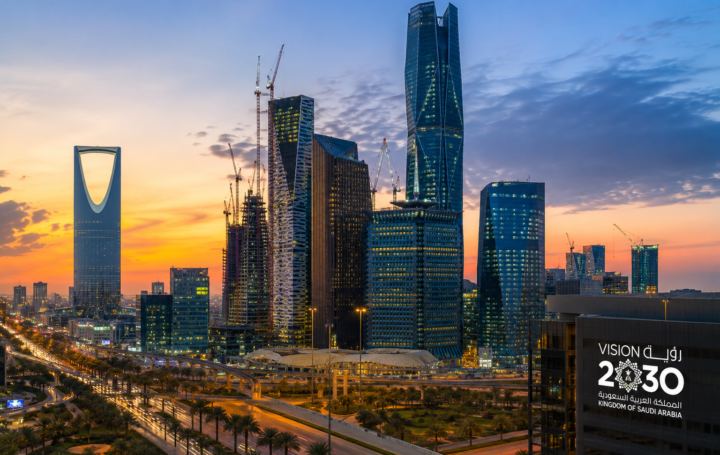
Saudi Arabia’s Vision 2030 Enters Its Value-Realisation Phase
Saudi Arabia is moving from rapid scale-building to value realisation. The decisive question is whether state-led investment can…
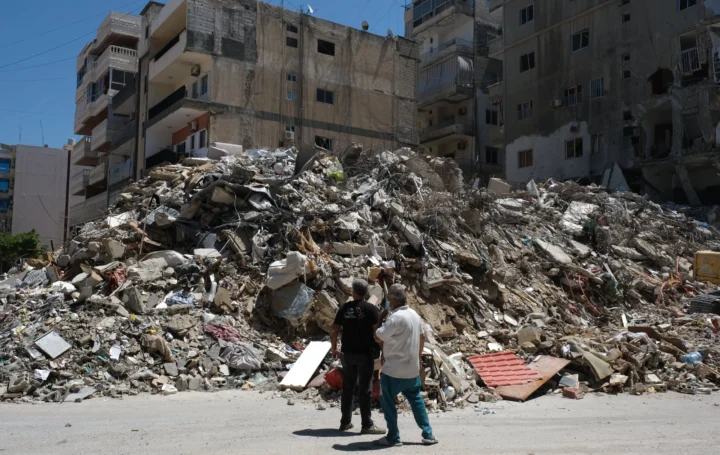
Southern Lebanon Returns Begin, but the Risk of a Fragile Peace Remains
Families are reopening homes and businesses in the south, yet destruction, uncertainty and low-level hostilities continue to shape…
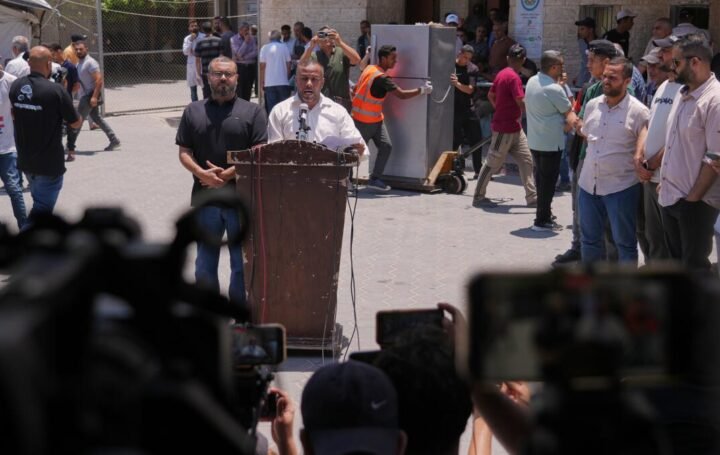
Hamas Move to Transfer Gaza Authority Opens a New Test for Reconstruction
The proposed shift to a UN-backed technocratic committee raises immediate questions over weapons, governance and who can control…