
Gulf Energy Loadings Continue as Hormuz Risk Stays in Focus
Middle East oil and LNG producers are still moving cargoes through the Gulf, keeping energy markets focused on Hormuz shipping risk.

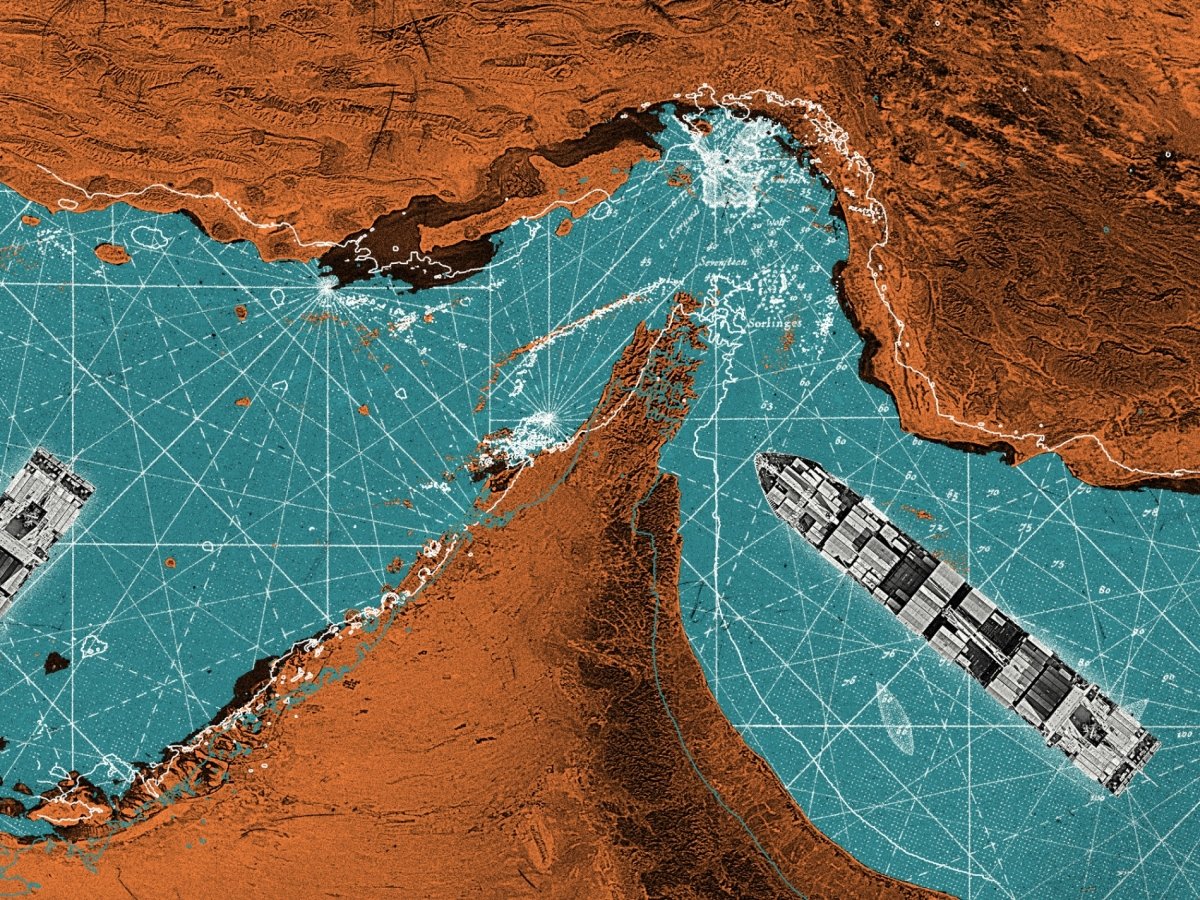
Gulf energy loadings are continuing through a tense security environment, keeping the Strait of Hormuz at the centre of market attention. Reuters reported that Middle East oil and liquefied natural gas producers have continued loadings despite recent ship attacks and renewed concern over the waterway. For energy buyers, the immediate signal is that flows have not stopped. For governments and traders, the larger issue is whether shipping confidence can return without a lasting rise in insurance, freight and security costs.
What changed in the Gulf energy corridor
The Gulf remains a functioning export system, but it is no longer being priced as a routine corridor. Tankers can move, terminals can load and LNG cargoes can be scheduled, yet each voyage now carries a higher geopolitical reading. The Strait of Hormuz is not only a maritime route; it is a pressure point where energy security, military signalling and commercial risk meet. The current pattern suggests that producers are trying to protect continuity while markets test whether recent disruptions are temporary or part of a longer period of contested shipping.
The significance of the corridor is well established. The U.S. Energy Information Administration’s chokepoint analysis identifies the Strait of Hormuz as the world’s most important oil transit chokepoint because of the volume of crude and petroleum liquids that move through it. That is why limited disruption can produce market reactions beyond the Gulf. The issue is not simply whether ships move today, but whether counterparties believe they can plan the next month of cargoes without repeated interruption.
Market pressure beyond the headline supply picture
The immediate supply picture can look steadier than the underlying risk picture. If cargoes keep loading, prices may ease. If a vessel is hit or military rhetoric rises, prices can quickly regain a security premium. That stop-start rhythm is difficult for refiners, utilities, charterers and importers because it complicates hedging and freight planning. It also raises the strategic value of storage, diversified routes and long-term supply contracts, especially for Asian buyers that rely heavily on Gulf energy flows.
The IEA’s June 2026 oil market report frames the wider market around supply recovery, operational constraints and political uncertainty. That matters because a simple reopening narrative can be misleading. Even when flows resume, vessel availability, port scheduling, insurance approvals and buyer confidence take time to normalise. Energy markets can therefore move from shortage fear to oversupply concern without the political risk truly disappearing.
Implications for Gulf producers and buyers
For Gulf producers, the priority is reputation for reliability. Saudi Arabia, the UAE, Qatar, Kuwait and Iraq all have different levels of exposure to the waterway, but the region as a whole is judged by the confidence it gives to global customers. Every successful cargo helps preserve that confidence. Every security incident raises questions about contingency planning. Exporting states will want to show that energy supply remains operational even when diplomacy is fragile.
For buyers, the lesson is that energy security is again becoming physical. The focus is not only price. It is the route, the vessel, the loading window, the destination port and the insurer. Large importers may increasingly combine Gulf supply with alternative barrels, strategic stockpiles and contractual flexibility. That does not reduce the Gulf’s importance. It makes the Gulf more central to national energy planning because disruptions there are quickly transmitted into inflation, power generation and industrial costs elsewhere.
What to watch next
The next indicators are practical rather than rhetorical. Watch vessel traffic through Hormuz, the number of empty tankers entering the Gulf to load, freight rates, marine insurance terms and any official warnings to shipping. Also watch LNG cargo scheduling from Qatar and the UAE, because gas buyers often have less flexibility than crude buyers in the short term. If loadings continue without further incidents, market pressure may ease. If ships slow again, the risk premium will return quickly.
The wider regional reading is clear. Energy flows can continue under pressure, but continuity is not the same as stability. The Gulf’s energy system has shown operational resilience. The remaining test is whether diplomacy and maritime security can reduce the cost of that resilience before markets begin to treat higher risk as a normal part of Gulf trade.
Sources and context
More from Technology & AI Desk

Saudi Arabia’s Vision 2030 Enters Its Value-Realisation Phase
Saudi Arabia is moving from rapid scale-building to value realisation. The decisive question is whether state-led investment can…

Indian Travellers Become a Key Test Market for Middle East Tourism Recovery
The UAE, Saudi Arabia and Oman are looking to India’s outbound travel base as conflict and uncertainty weigh…

Gulf Markets Slip as Hormuz Risk Returns to the Centre of Regional Pricing
Renewed tension around the Strait of Hormuz is again forcing investors to price security, energy and sovereign risk…