
Middle East Oil Disruptions Keep Global Supply Under Pressure
Oil exports from the Gulf have partly recovered, but shipping risks, damaged energy facilities and tight diesel supplies continue to pressure global markets.

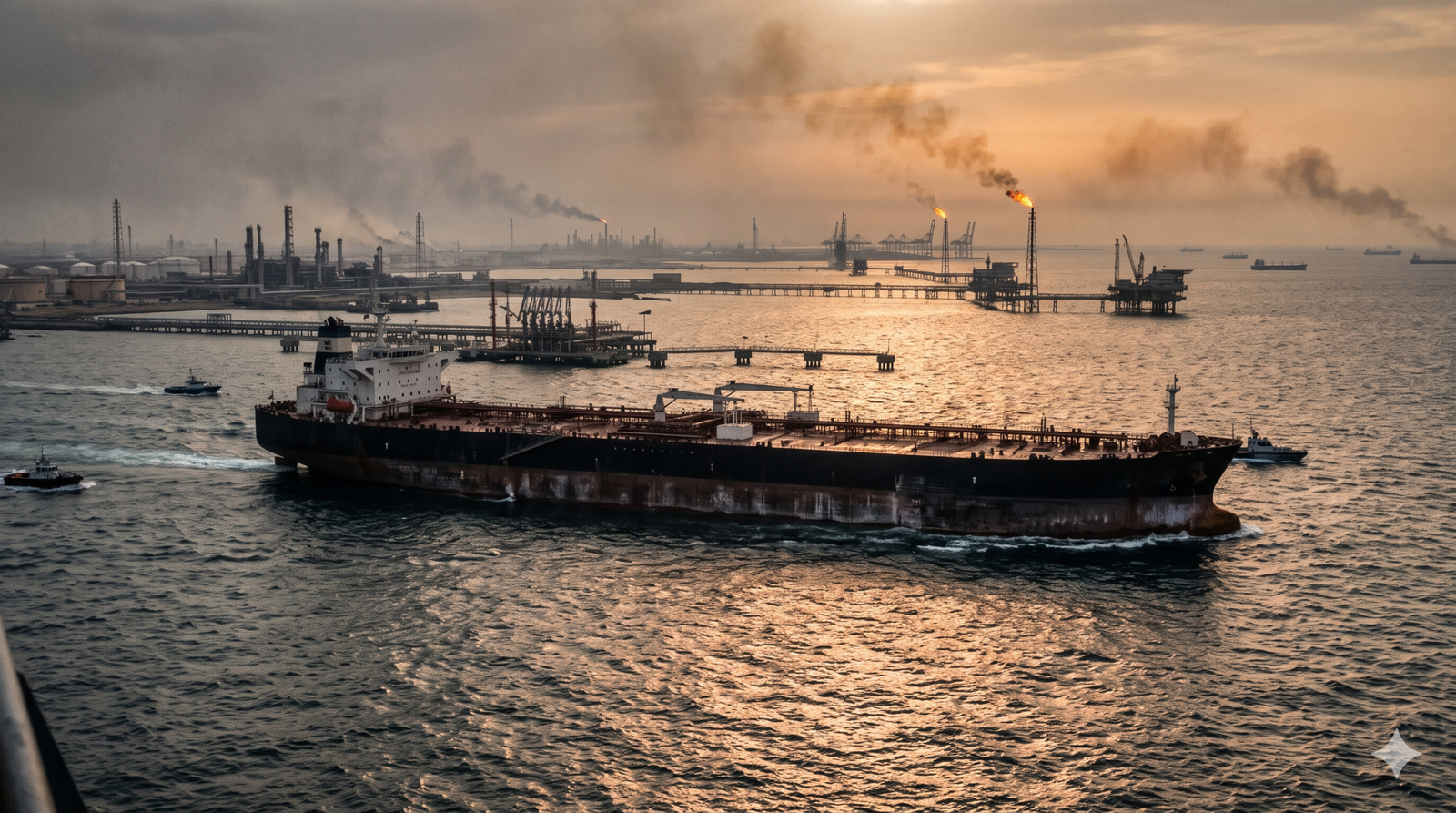
Global oil markets remain under pressure as conflict-related disruptions continue to affect energy supplies from the Middle East. Crude exports have recovered in parts of the Gulf, but attacks on energy sites and commercial ships are slowing the return to normal trade.
The International Energy Agency (IEA) says global oil supply rose in September. Gulf producers led the recovery. However, the agency warned that fresh attacks on energy infrastructure and tanker traffic could weaken further progress.
The situation is also keeping transport costs high and adding to pressure on fuel prices.
Gulf oil exports show signs of recovery
The IEA’s October Oil Market Report said crude exports from Gulf producers rose by 4.4 million barrels per day in September. They reached 13.9 million barrels per day.
Oil flows through the Strait of Hormuz also increased during the month. The report said these flows rose by 3.7 million barrels per day to 10.9 million barrels per day.
These figures show that some export routes have recovered. However, the region has not returned to stable trading conditions.
The IEA said renewed attacks in October had raised security concerns. It kept its supply outlook for the rest of 2026 largely unchanged.
Shipping risks add to oil costs
The Strait of Hormuz remains a major concern for energy markets. It is a key route for oil and gas shipments from Gulf producers.
Security risks have pushed up tanker rates and insurance costs. Some ships have also taken longer routes to avoid dangerous areas.
These changes increase the cost of moving crude oil to refineries. They can also delay deliveries and reduce the number of ships available for trade.
The IEA said record tanker rates had raised crude delivery costs and hurt refinery margins.
Diesel supply remains under pressure
The disruption is affecting refined fuels as well as crude oil.
The IEA said Middle East shipments of refined products and liquefied petroleum gas remain well below their levels before the conflict. Diesel supply has faced particular pressure.
Global diesel and gasoil availability fell by 1.7 million barrels per day in the third quarter compared with the same period last year, according to the agency.
The IEA expects tight diesel supply to continue well into 2027. Higher fuel costs can affect transport, farming, manufacturing and the price of everyday goods.
Oil demand forecasts point to weaker consumption
High prices are also changing how much oil the world uses.
The IEA expects global oil demand to fall by 2.6 million barrels per day in 2026. It said high fuel prices and weaker economic conditions are weighing on consumption.
A Reuters survey published on 30 October found that analysts had raised their average Brent crude forecast for 2026 to $92.88 per barrel. The previous month’s forecast was $89.05.
The survey also pointed to tight oil markets late in 2026. Analysts expect supply conditions to depend heavily on the recovery of Gulf exports and shipping routes.
Recovery may take time
The World Bank expects Gulf crude shipments to keep recovering. However, damage to refineries, gas-processing plants and liquefied natural gas facilities could slow the wider recovery.
A report published by MEED on 29 October, citing the World Bank’s latest outlook, said Middle East oil output could remain about 1.5 million barrels per day below its 2025 level in 2027.
This suggests that a recovery in crude exports will not solve every supply problem. Refineries and gas facilities may need more time to return to normal operations.
Global markets watch the next developments
Oil markets now face several linked risks. These include attacks on energy infrastructure, shipping delays, high insurance costs and low inventories.
A lasting improvement will depend on safer shipping routes and the repair of damaged energy facilities. Until then, oil and fuel prices may remain sensitive to events across the region.
For oil-importing countries, the impact could extend beyond petrol and diesel. Higher energy costs can also raise transport expenses, production costs and prices for consumers.
More from Naveen Mehta

Aliyev Skips the Ankara Summit as Turkey–Azerbaijan Tensions Grow
Azerbaijani President Ilham Aliyev skipped Turkey's Ankara summit despite a personal invitation from Erdoğan. His absence has raised…

UAE Stock Markets Fall as Weak Earnings and Regional Tensions Worry Investors
UAE stock markets ended lower on Friday as weak corporate earnings and rising regional tensions affected investor confidence.…
Strait of Hormuz Tanker Attack Raises Fresh Alarm Over Gulf Shipping Security
A tanker attack near the Strait of Hormuz has raised fresh concerns about commercial shipping security. The incident…